
 English
 Turkce
 Deutsch
 Francais
 Russkij
 العربية
 Espanol
 Italiano
 Nederlands
 Balgarski
 Romana
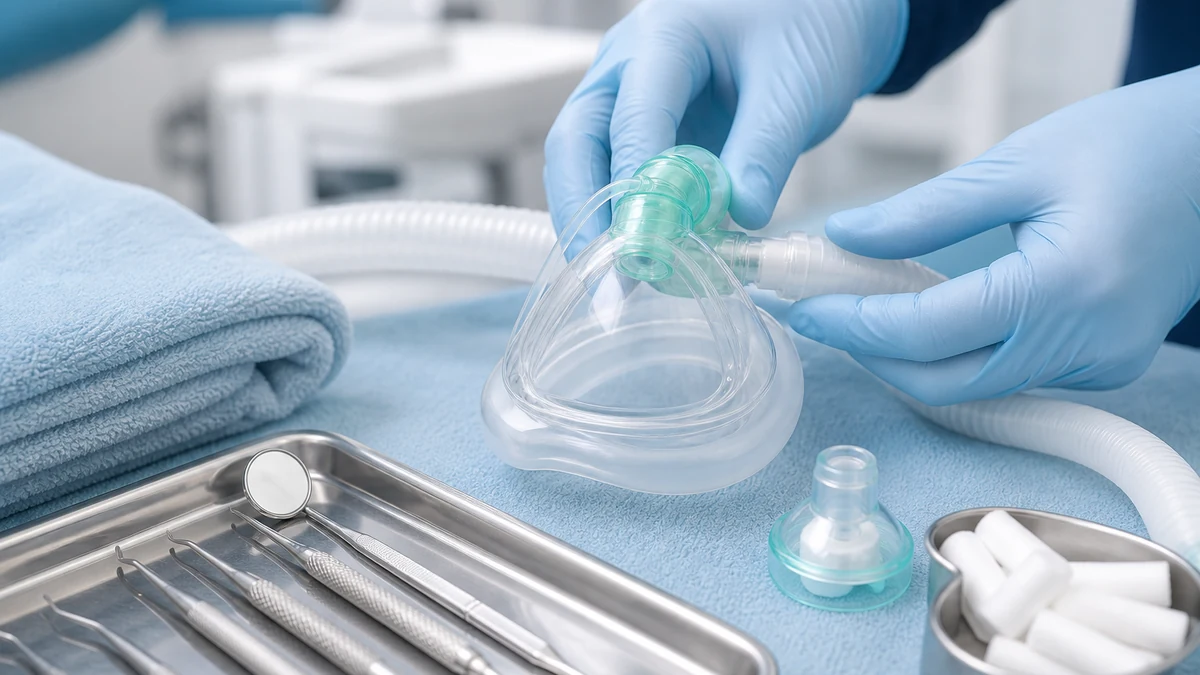
Sedation dentistry uses medication to help anxious patients stay calm and comfortable during dental treatment, and in Turkey it is a routine, well-established part of care at clinics that treat international patients. If dental fear has kept you from the dentist, sedation makes everything from a deep clean to oral surgery far more manageable. This guide explains the main options, who they suit, how the process works, the honest considerations, and roughly what you can expect to pay.
What is sedation dentistry?
Sedation dentistry is the use of medication to reduce anxiety and discomfort during a dental procedure. It ranges from mild relaxation, where you stay fully awake, through to deeper sedation where you are drowsy and remember little. It is not the same as general anaesthesia, although that option also exists for complex cases. Sedation is paired with local anaesthetic, which numbs the area being treated, so the two work together: one settles the nerves, the other blocks the pain.
Dental anxiety is extremely common, and avoiding treatment usually makes problems worse over time. Sedation is one practical way to break that cycle, alongside gentle communication and a measured pace from your dental team.
What are the main types of dental sedation?
There are four broad levels of dental sedation: inhalation sedation with nitrous oxide, oral sedation with a tablet, intravenous (IV) sedation through a vein, and general anaesthesia. They differ in how deeply you are sedated, how quickly they wear off, and the level of monitoring required.
Inhalation sedation (nitrous oxide)
Often called laughing gas, nitrous oxide is breathed in through a small mask. It produces light relaxation, you remain fully conscious and responsive, and the effects clear within minutes once the mask is removed. It suits mild to moderate anxiety and shorter appointments, and you can usually drive yourself home afterwards.
Oral sedation
A prescribed tablet, taken before your appointment, produces a calm, drowsy state while you stay awake. The depth depends on the dose. You will feel groggy afterwards and must arrange for someone to take you home. Oral sedation suits moderate anxiety and patients who dislike needles.
Intravenous (IV) sedation
Medication delivered directly into a vein gives deeper, closely controlled sedation. Many people remember little of the procedure. A trained clinician monitors your vital signs throughout. IV sedation suits significant anxiety, longer surgical visits, and treatments such as multiple implants or complex extractions.
General anaesthesia
This renders you fully unconscious and is reserved for the most complex or extensive cases, or for patients who cannot tolerate treatment any other way. It is carried out with an anaesthetist present in a properly equipped setting, with full pre-operative assessment.
Which sedation option is right for me?
The right option depends on how severe your anxiety is, the length and complexity of the procedure, and your general health. Mild nerves often respond well to nitrous oxide, moderate anxiety to oral sedation, and severe phobia or long surgery to IV sedation. Your dentist recommends a level after reviewing your case.
A thorough medical history matters here. Your dental team will ask about current medications, allergies, heart or lung conditions, pregnancy, and previous reactions to sedatives. This information shapes both the choice of agent and the dose, and it is why honest disclosure is so important.
How does a sedation appointment work?
While details vary by sedation type, a typical appointment follows a clear sequence.
- Consultation and assessment. Your dentist reviews your medical history, explains the options, and agrees a plan and consent with you.
- Pre-appointment instructions. You may be asked to avoid food and drink for a set period before deeper sedation, and to arrange an escort home.
- Administering sedation. The agent is given by mask, tablet, or vein, and you are allowed time to settle.
- Treatment. Local anaesthetic numbs the area, and the procedure goes ahead while your comfort and, where relevant, your vital signs are monitored.
- Recovery. You rest until the immediate effects ease, then receive written aftercare advice before leaving with your escort.
Benefits of sedation dentistry
- Makes treatment possible for people whose fear would otherwise lead them to avoid the dentist.
- Reduces awareness of sounds, sensations, and time, so appointments feel shorter.
- Allows more dentistry to be completed in fewer visits, which is useful when you are travelling for care.
- Can lessen the gag reflex and help you hold still, supporting more precise work.
- Builds confidence over time, so future visits feel less daunting.
For many anxious patients, the value of sedation is not just a single calmer appointment but the chance to re-establish a regular relationship with dental care.
Are there risks or considerations?
Sedation is generally safe when carried out by trained clinicians with proper monitoring, but it is not risk-free. Common, short-lived effects include drowsiness, grogginess, nausea, and a headache. Deeper sedation carries a small risk of effects on breathing and blood pressure, which is precisely why monitoring matters.
Sedation may not be suitable for everyone. Certain medical conditions, some medications, and pregnancy can rule out particular agents or call for extra caution. After oral, IV, or general sedation you should not drive, operate machinery, sign important documents, or be left unsupervised for the rest of the day. Follow your aftercare instructions closely, and report anything that feels wrong.
How much does sedation dentistry cost?
Sedation is usually charged on top of the dental treatment itself, and the price depends on the type and the length of the appointment. As an approximate guide, lighter options cost less than deeper ones, and these figures vary by case:
| Sedation type | Approximate cost (per session) |
|---|---|
| Inhalation (nitrous oxide) | 40 to 120 GBP |
| Oral sedation | 80 to 200 GBP |
| IV sedation | 200 to 500 GBP |
| General anaesthesia | 500 GBP and up |
These ranges are approximate and vary by clinic, complexity, and how long you are under sedation. Turkey is generally a significantly more affordable destination for dental care than the UK or US, which is one reason many international patients combine sedation with a fuller course of treatment, often around a procedure such as wisdom tooth extraction. Always ask for a written quote that lists the sedation fee separately so you know what is included.
Sedation and dental care in Turkey
Clinics in Istanbul that focus on international patients commonly offer sedation as standard, supported by coordinators who help you plan visits and recovery time. Knowing that calm, comfortable treatment is available reassures many nervous patients, and it pairs naturally with the wider question of whether dental treatment in Turkey is safe, which comes down to choosing a qualified, transparent provider. If your treatment involves surgery, plan for proper rest and follow good tooth extraction aftercare so the sedation and the procedure both settle well.
Whatever your level of dental fear, sedation gives you a realistic route back to the care you need. Discuss your anxiety openly with your dental team, share your full medical history, and let them match the right option to your case.
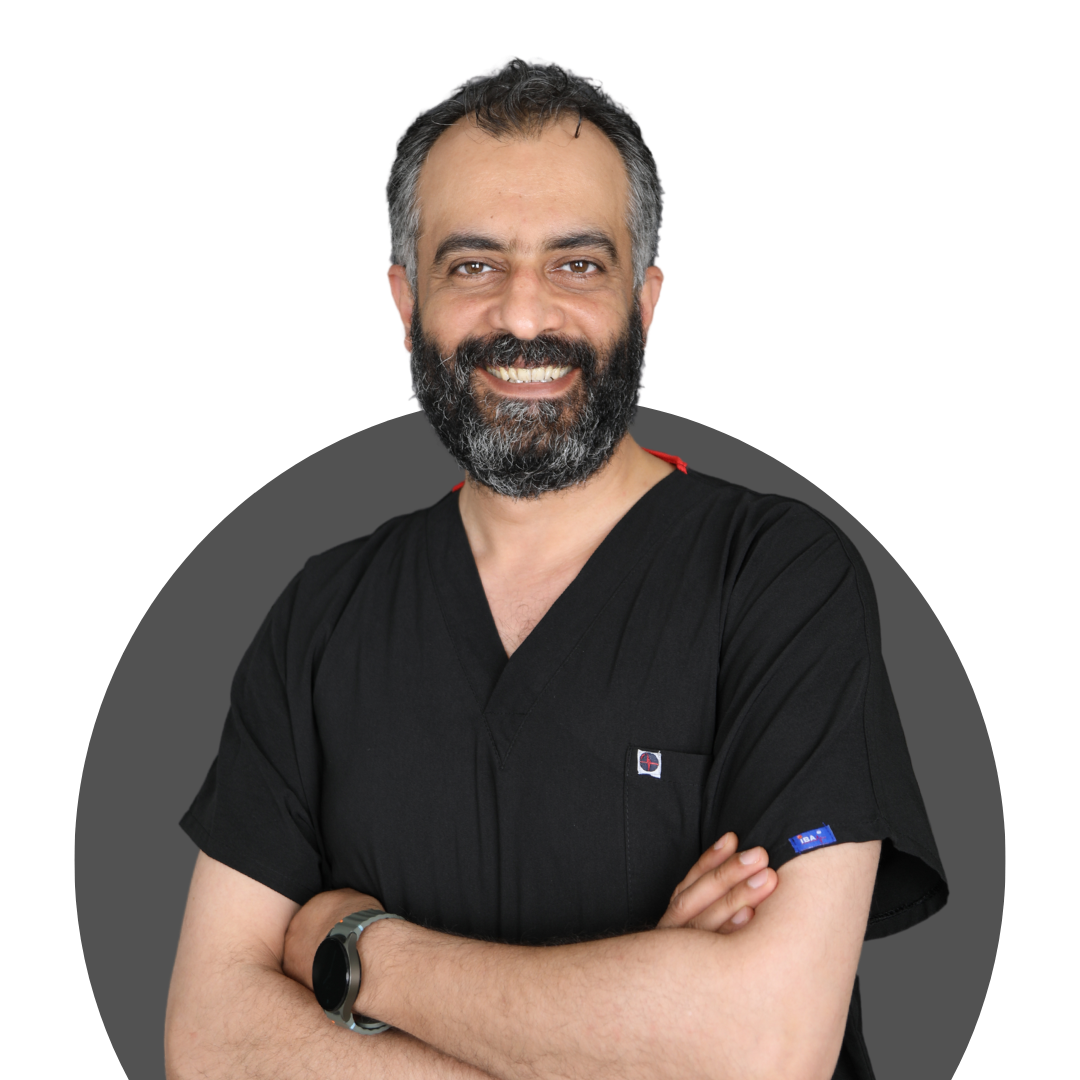
Mahir Yılmaz
Dr. Mahir Yılmaz graduated from Istanbul University Faculty of Dentistry. He has extensive academic knowledge and clinical experience in general and restorative dentistry. With many years of professional experience, Dr. …
View full profile →