 English
  Turkce
  Deutsch
  Francais
  Russkij
  العربية
  Espanol
  Italiano
  Nederlands
  Balgarski
  Romana
Yes, dental treatment in Turkey is safe when you choose a properly qualified, accredited clinic. Turkey is a leading destination for dental treatment, and Istanbul clinics treat thousands of international patients each year. The important caveat: quality varies, so where you go matters more than the country itself.
Few questions worry patients more than this one: is dental treatment in Turkey safe? It is a fair question. You will have read glowing reviews alongside alarming "Turkey teeth" headlines, and the truth sits between the two. Turkey has highly trained dentists, modern clinics and strong standards, but it also has a budget end where corners are cut. This guide explains how Turkish dentistry is regulated, what makes a clinic genuinely safe, the red flags to avoid, and how to tell a reputable practice from a risky one before you travel.
Is dental treatment in Turkey actually safe?
For the right clinic, yes. Reputable Turkish clinics use the same materials, implant brands and sterilisation protocols found across Europe, and their dentists are university-trained and licensed. Safety depends on your specific clinic and dentist, not on the country as a whole.
It helps to separate two things that often get blurred together. The first is the standard of care a good Turkish clinic can deliver, which is genuinely high, comparable to what you would expect in the UK or EU. The second is the wide range in the market: alongside excellent practices sit high-volume, ultra-cheap operations that prioritise turnover over outcomes. Both exist. Your job as a patient is to find the former and steer well clear of the latter, and that is very achievable with a little due diligence.
How is dentistry regulated in Turkey, and are the dentists qualified?
Turkish dentists complete a five-year university degree in dentistry and must be licensed to practise. Specialists such as oral surgeons and prosthodontists undertake further postgraduate training. Clinics are regulated and inspected by the Turkish health authorities, and many also pursue independent international accreditation.
In practice, a qualified Turkish dentist follows a path that will look familiar to anyone from the UK or Europe: a full university dental degree, registration with the national authorities, and, for more complex work, additional specialist qualifications. Surgical procedures such as implant placement should always be carried out by a suitably trained dentist or surgeon. Many established clinics also seek out international quality accreditation, which involves an external body auditing their hygiene, safety and clinical protocols. Accreditation is not legally mandatory, so its presence is a useful signal of a clinic that takes standards seriously rather than a guarantee on its own.
What makes a dental clinic in Turkey safe to choose?
A safe clinic is transparent about who treats you, shows the dentist's qualifications, uses recognised implant and material brands, provides a clear written treatment plan, follows strict sterilisation, and offers proper aftercare and a written guarantee. Time and honest communication matter more than the lowest price.
When you are weighing up where to go, look for concrete, verifiable signals rather than marketing. The table below summarises the practical things that distinguish a trustworthy clinic from a risky one.
| What to look for | Why it matters |
|---|---|
| Named, qualified dentists with visible credentials | You should know exactly who is treating you and that they are trained for the work. |
| A detailed written treatment plan and quote | Reputable clinics diagnose before they quote and explain every step and cost. |
| Recognised implant and material brands | Established brands are well documented and easier to service worldwide. |
| Clear sterilisation and hygiene standards | Strict infection control is fundamental to safe surgical and dental care. |
| Honest, conservative advice | A good clinic recommends the least invasive option that works, not the most lucrative. |
| A written guarantee and structured aftercare | It shows the clinic stands behind its work long after you fly home. |
It is also reasonable to ask direct questions before you commit: who will perform the surgery, what brand of implant will be used, how many similar cases the dentist handles, and what happens if something needs attention once you are home. Clinics that answer openly tend to be the ones worth trusting. If you want a fuller checklist, our guide on how to choose a dental clinic in Turkey walks through each step in detail.
What are the red flags I should avoid?
Be cautious of prices that seem too good to be true, pressure to decide quickly, no proper examination or X-rays before quoting, vague answers about who performs the treatment, recommendations to remove and crown healthy teeth, and no clear aftercare or guarantee.
The warning signs are usually visible long before you travel. Watch out for the following:
- Aggressive discounting and "today only" offers, quality care has a real cost, and high-pressure sales tactics rarely belong in healthcare.
- A diagnosis and quote with no proper examination, safe treatment plans are based on X-rays and a clinical assessment, not a few photos.
- Filing down healthy teeth for crowns or veneers, when minimally invasive options exist, removing healthy tooth structure should never be the default.
- No clear answer on who does the surgery, you are entitled to know your dentist's name and qualifications.
- Unrealistic timelines, rushing complex work, particularly implants, to fit a short holiday can compromise the result.
- No written guarantee or aftercare plan, a clinic unwilling to support you afterwards is a clinic to avoid.
What about the "Turkey teeth" horror stories?
They are real, but they almost always trace back to budget clinics offering rushed, over-aggressive treatment, not to Turkey as a whole. The widely shared cases typically involve healthy teeth being filed down unnecessarily. Choosing a careful, qualified clinic avoids this entirely.
We think honesty serves you better than hype here, so it is worth being clear: bad outcomes do happen, and the "Turkey teeth" stories you have seen are not invented. What the headlines often leave out is the pattern behind them. The cautionary cases tend to share the same roots, extremely low prices, very high patient volumes, conveyor-belt scheduling, and a tendency to grind down healthy teeth for crowns when far gentler options would have done the job. These are choices made by a particular tier of clinic, not an inevitable feature of dental care in Turkey.
The country is not the risk; the wrong clinic is. The same city that produces the horror stories also produces excellent, conservative, internationally trained dentistry, the difference lies entirely in where you choose to be treated.
The encouraging news is that everything in the red-flags list above is exactly how you steer clear of those clinics. Patients who take the time to vet their clinic, insist on a proper diagnosis, and choose careful treatment over the cheapest quote overwhelmingly have positive experiences. If you are considering implant work specifically, our overview of dental implants in Turkey explains how the process should be done safely and what a responsible treatment plan looks like.
How do reputable clinics handle aftercare and guarantees?
Good clinics do not disappear once you leave. They provide detailed aftercare instructions, remain reachable for questions, offer written guarantees on work such as implants and crowns, and coordinate any follow-up, including liaising with your local dentist if a check-up or adjustment is needed back home.
Aftercare is one of the clearest dividing lines between a serious clinic and a cut-price one. A responsible practice plans for the whole journey, not just the days you spend in the chair. That means clear written instructions for healing and oral hygiene, a named point of contact you can reach after you travel home, and a written guarantee that sets out what is covered and for how long. For longer treatments such as implants, which heal over several months, a good clinic will also explain how follow-up appointments work and how any rare complication would be handled. Knowing exactly what support exists before you book is one of the simplest ways to travel with confidence. Our walk-through of how dental treatment in Turkey works covers the timeline and aftercare in more depth.
So, is dental treatment in Turkey safe? The honest answer is that it can be excellent and entirely safe, provided you choose well. Treat the decision the way you would any medical procedure at home: check qualifications, insist on a proper assessment, avoid anything that feels rushed or too cheap, and confirm the aftercare. Do that, and Turkey offers genuinely high-quality dental care delivered by skilled, experienced professionals.
Related reading
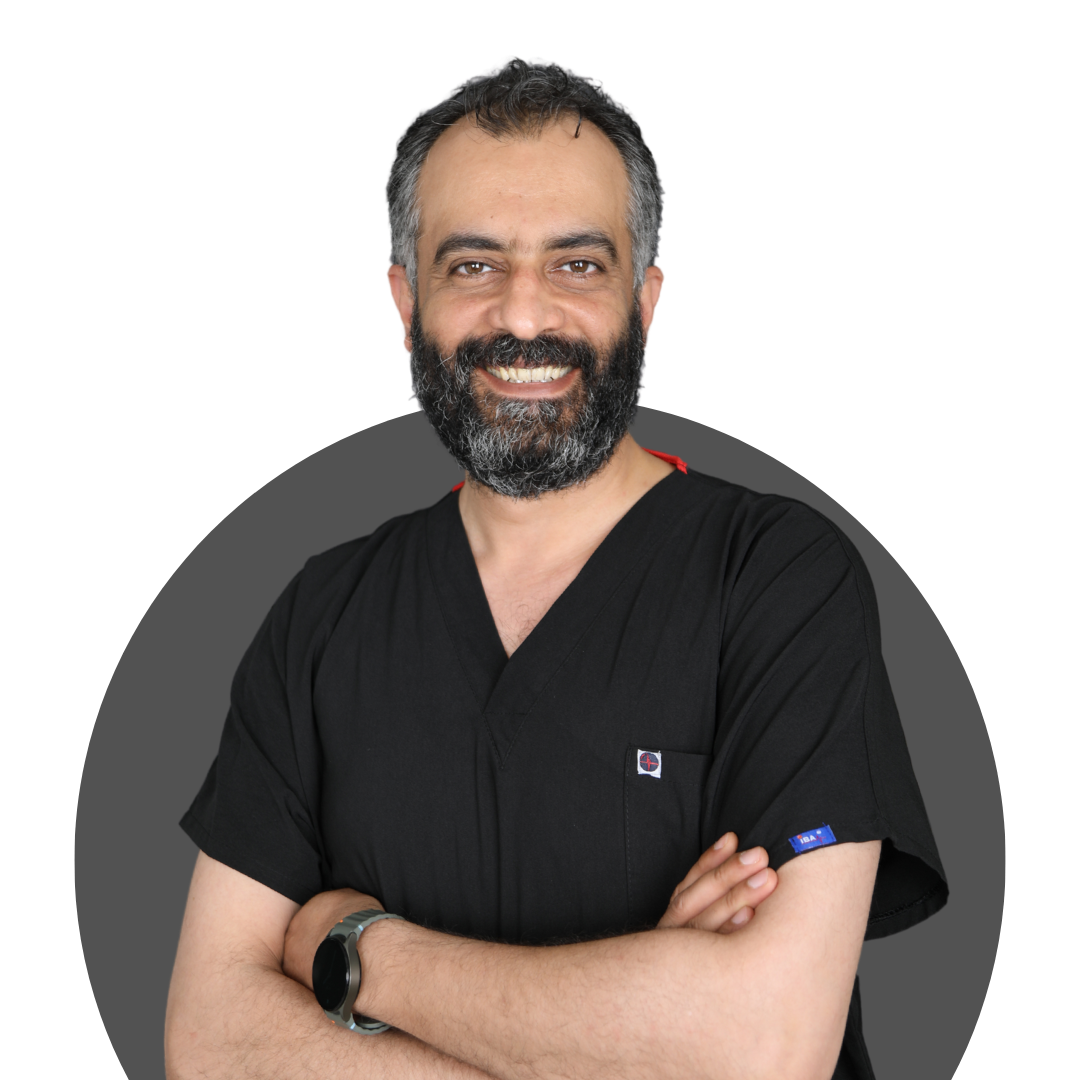
Mahir Yılmaz
Dr. Mahir Yılmaz graduated from Istanbul University Faculty of Dentistry. He has extensive academic knowledge and clinical experience in general and restorative dentistry. With many years of professional experience, Dr. …
View full profile →