
 English
  Turkce
  Deutsch
  Francais
  Russkij
  العربية
  Espanol
  Italiano
  Nederlands
  Balgarski
  Romana
People get dental treatment in Turkey mainly because the cost is far lower than in the UK, Western Europe or the US, often a third to a half of the price, while many Istanbul clinics combine experienced dentists with modern equipment. The honest answer is that the savings are real and the quality at established clinics can be high, but outcomes depend on the clinic you choose, not the country. This guide lays out the genuine advantages and the trade-offs without overselling either.
Why do people travel to Turkey for dental treatment?
People travel to Turkey for dental treatment because the same procedures cost significantly less than at home, waiting times are short, and a large cluster of clinics in Istanbul has built genuine experience serving international patients. For many, the savings make complex work affordable that they would otherwise postpone.
The pattern is most common among patients facing larger treatment plans: multiple implants, full-arch restorations, or a combination of crowns and veneers. When the home-country quote runs into five figures, the gap is large enough that travel, accommodation and a short trip still leave a meaningful saving. For a single filling, the maths rarely justifies the journey; for a full mouth rehabilitation, it often does.
What actually makes treatment cheaper in Turkey?
Treatment is cheaper in Turkey mainly because of lower operating costs: staff salaries, clinic rent, lab fees and overheads are all lower than in the UK or US. A weaker currency relative to the pound, euro and dollar widens the gap further. The discount reflects local economics, not lower-grade materials by default.
This is the point most worth understanding, because it separates a fair price from a warning sign. The structural cost difference is genuine and explains most of the saving. Reputable clinics use the same internationally recognised implant systems, ceramics and digital workflows you would find in Western Europe, simply at a lower local cost base. What it does not explain is a quote that undercuts every other clinic by a wide margin. A price that looks too good often signals shortcuts somewhere: rushed treatment plans, unbranded components, or junior clinicians. Use the cost difference as context, then judge each clinic on its own merits.
The genuine advantages
Set against home-country care, the real draws are consistent across patient stories:
- Lower cost: the headline reason, and a legitimate one for larger treatment plans.
- Experienced clinics: high patient volume means many Istanbul dentists perform implant and restorative work routinely, which builds practical skill.
- Modern infrastructure: established clinics invest in CBCT scanning, intraoral scanners and on-site or partner laboratories, shortening turnaround.
- Short waiting times: consultations and treatment can usually be scheduled within days rather than months.
- Coordinated trips: many clinics organise the logistics, from airport transfers to accommodation, around the clinical timeline.
Is the quality of dental work in Turkey as good as at home?
At a well-chosen, established clinic the quality can match Western European standards, because the materials, equipment and training are comparable. Quality varies more between clinics within Turkey than between Turkey and the UK as countries, so the clinic you select matters far more than the destination itself.
It is worth saying plainly: this is not a case of one country's dentistry being better than another's. UK and EU dentistry is excellent, and Turkey has both outstanding clinics and weaker ones, exactly as every country does. The decision is not Turkey versus home; it is a specific clinic versus your home options, judged on the same evidence you would demand anywhere. Treat the lower price as an opening reason to look, then apply the same scrutiny you would to any dental practice.
What should you look for in a Turkish dental clinic?
Look for verifiable dentist credentials, clear before-and-after cases of work similar to yours, named implant or ceramic brands in the treatment plan, a written quote, transparent aftercare arrangements, and independent reviews. A good clinic answers detailed questions in your language without pressure before you commit anything.
Concretely, that means checking the following before you decide:
- The treating dentist's qualifications and registration, not just the clinic's marketing.
- A written, itemised treatment plan that names the components and materials used.
- Photographs of completed cases comparable to your own situation.
- A realistic timeline, including any stages that require two visits, such as implants needing healing time.
- Clear answers on what happens if something needs adjusting after you return home.
The first contact tells you a lot. A clinic that explains the trade-offs honestly, sets realistic expectations, and does not push you to book on the spot is showing the behaviour you want. For a fuller walkthrough of vetting and the practical steps, our guide on whether dental treatment in Turkey is safe covers the checks in detail.
The trade-offs worth weighing
An honest case has to name the downsides, because they are real and they matter for some patients more than others:
- Aftercare distance: if an adjustment or complication arises after you fly home, follow-up is harder to arrange than with a local dentist. Good clinics plan for this, but it is a genuine consideration.
- Travel and time: larger treatments such as implants may need two trips months apart, which adds cost and planning.
- Variable standards: the range of clinic quality is wide, so the burden of careful research sits with you.
- Rushed plans: a small number of operators compress treatment to fit a tourist's short stay. Sound dentistry follows the biology, not the flight schedule.
None of these rule out treatment abroad. They simply mean the decision should weigh the saving against the logistics for your specific case. A straightforward set of crowns is low-friction; a complex surgical plan deserves more thought about follow-up. Where the cost gap is the deciding factor, it helps to compare like for like: our breakdown of dental implant costs in Turkey versus the UK shows how the numbers actually stack up.
When does treatment in Turkey make sense?
It makes most sense when you need substantial work, multiple implants, full-arch restoration, or extensive crowns and veneers, where the saving comfortably outweighs travel costs, and when you have done the research to choose a reputable clinic. For small, single-tooth treatments the case is much weaker.
For patients considering implant work specifically, it is worth understanding the procedure itself before weighing the destination, since the clinical decisions are the same wherever you have it done. Reviewing how dental implants in Turkey are planned and placed helps you ask sharper questions of any clinic, at home or abroad. The honest bottom line is that Turkey offers a legitimate combination of lower cost and capable clinics, but the saving is only worth having if the clinic is right. Choose the clinic carefully, and the rest follows.
Related reading
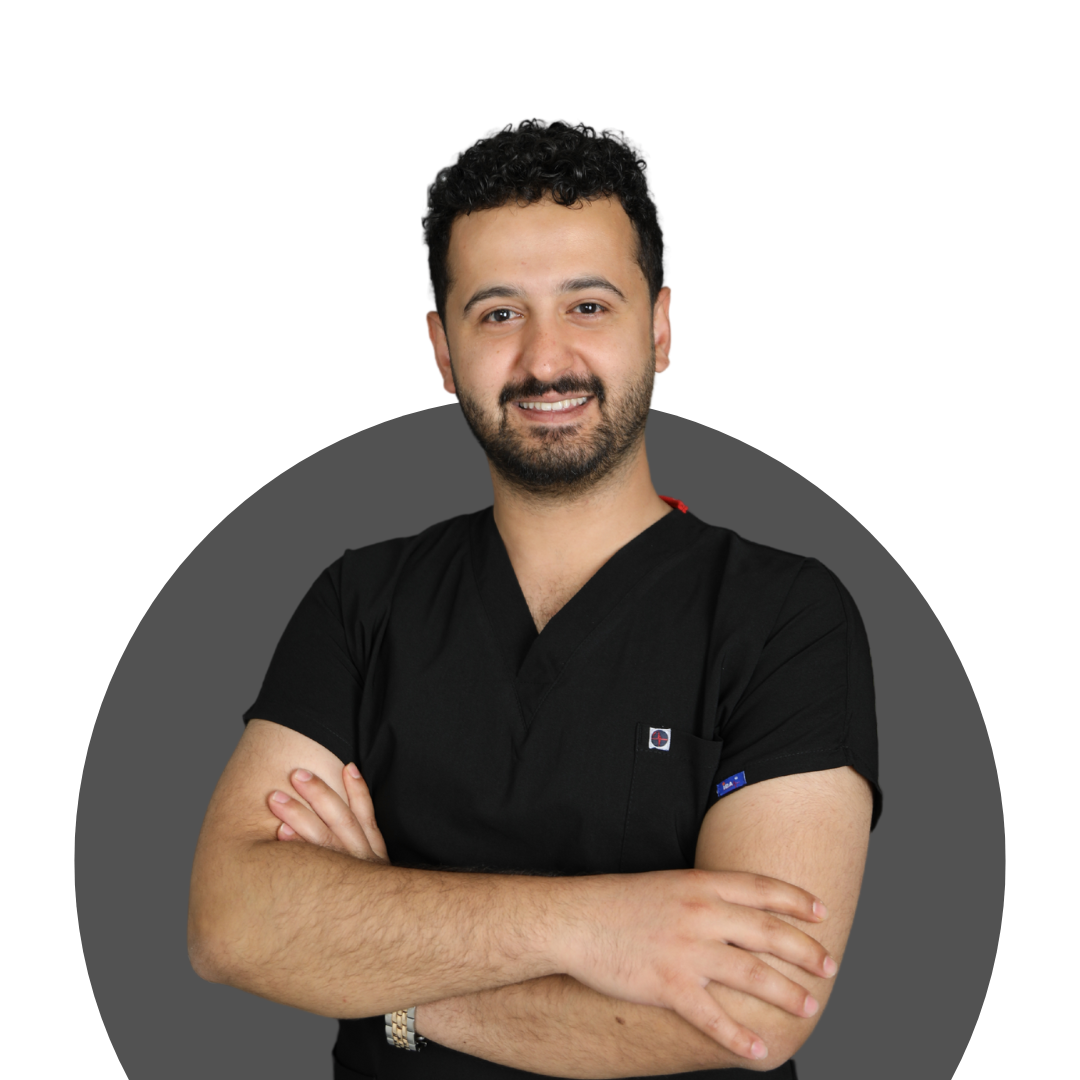
Mehmet Kaplan
Dr. Mehmet Kaplan graduated from Istanbul University Faculty of Dentistry. Applying modern dental techniques and up-to-date treatment methods, Dr. Kaplan personalizes his treatments according to the individual needs of h…
View full profile →