
 English
  Turkce
  Deutsch
  Francais
  Russkij
  العربية
  Espanol
  Italiano
  Nederlands
  Balgarski
  Romana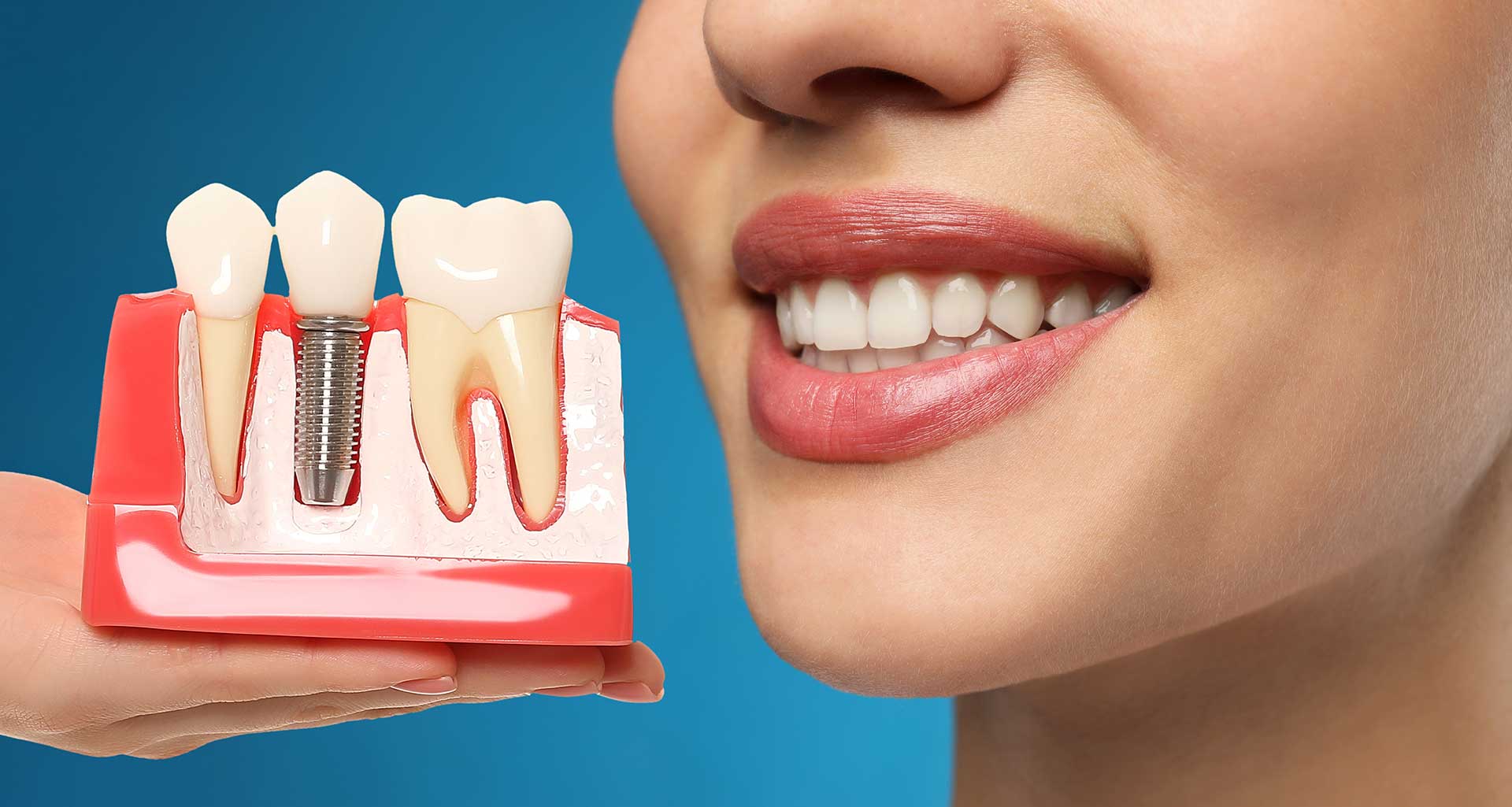
Embarking on the journey towards obtaining dental implants can seem daunting, yet understanding the procedure can ease your anxieties. From preparation to recovery, knowing what to expect during your dental implant procedure ensures a smoother experience. This guide will walk you through each stage, detailing the dental implant process, post-procedure care, and tips for long-term maintenance, empowering you with the knowledge needed for a successful outcome. Whether you are curious about pain levels or the timeline involved, we’ll address common questions surrounding dental implants to help you feel informed and prepared.
Preparation for Your Dental Implant Procedure
Preparing for your Dental Implants procedure is crucial to ensure a successful outcome. Here’s what to expect in the days leading up to your appointment:
- Initial Consultation:
- Meet with your dentist to discuss your medical history.
- Undergo a thorough examination, often including X-rays or 3D imaging to assess your jawbone.
- Treatment Planning:
- Your dentist will develop a personalized treatment plan based on your specific needs.
- This plan includes the type of Dental Implants to use and the number required.
- Medications:
- Your dentist may prescribe antibiotics to minimize the risk of infection.
- Over-the-counter pain relief medication might be suggested to prepare for post-surgery discomfort.
- Meal Preparations:
- Plan to eat soft foods before your procedure; this could ease the transition post-surgery.
- Lifestyle Adjustments:
- Avoid smoking and alcohol, as they can hinder healing.
- Arrange transportation to and from the dental office, as you may need sedation.
- Financial Considerations:
- Discuss payment options and insurance coverage for your Dental Implants.
By taking these steps, you set the foundation for a smooth procedure and recovery, ultimately leading to the successful integration of your Dental Implants. Ensuring you are well-prepared not only enhances your comfort but also aids in achieving optimal results.
The Dental Implant Process Explained
Understanding the dental implant process is key to feeling confident and prepared. Here’s a step-by-step breakdown:
- Consultation: Initially, your dentist will conduct a thorough examination, including X-rays, to assess your jawbone and oral health. This step helps determine if you are a suitable candidate for dental implants.
- Implant Placement: During a minor surgical procedure, the dentist places a titanium post into your jawbone, acting as the root of the new tooth. This post will bond with the bone tissue over time, a process known as osseointegration.
- Healing Period: After placement, allow several months for healing. During this time, the implant integrates with your jawbone, providing a stable foundation for your new tooth.
- Abutment Placement: Once healed, an abutment is attached to the implant. This connector secures the crown (the artificial tooth) and requires a small surgical procedure, though it often involves minimal discomfort.
- Crown Fitting: Finally, your custom-designed crown is fitted onto the abutment. Your dentist will ensure it matches the color and shape of your natural teeth, completing the look.
In summary, the dental implant process involves careful planning and multiple steps but ultimately provides a durable and aesthetically pleasing solution for tooth loss.
Post-Procedure Care and Recovery
After undergoing a dental implant procedure, your care is crucial for a smooth recovery and long-lasting results. Following these guidelines can help ensure you heal properly and maintain the success of your dental implants:
- Control Swelling and Discomfort:
- Apply ice packs to the outside of your cheek for 15-20 minutes at a time.
- Take prescribed pain relievers or over-the-counter medications as directed.
- Diet Adjustments:
- Stick to soft foods for the first few days. Consider options like yogurt, smoothies, and mashed potatoes.
- Gradually reintroduce solid foods as directed by your dentist.
- Oral Hygiene:
- Maintain good oral hygiene, but be gentle around the implant site.
- Rinse with salt water or a prescribed mouthwash to reduce bacteria.
- Rest:
- Get plenty of rest in the first few days following the procedure. This helps your body focus on healing.
- Follow-Up Appointments:
- Attend all scheduled follow-up visits with your dentist. They will monitor the healing process and ensure the dental implants are integrating well with your jawbone.
- Avoid Strenuous Activities:
- Refrain from heavy exercise and physical activity for a week or as advised by your dentist to prevent complications.
By adhering to these post-procedure care instructions, you can facilitate a successful recovery and enjoy the benefits of your dental implants for years to come.
Common Questions About Dental Implants
When considering Dental Implants, it’s natural to have questions. Below are some common inquiries that many individuals have about this effective tooth replacement option:
- What are Dental Implants?
Dental implants are titanium posts surgically placed in the jawbone to serve as artificial tooth roots. They provide a stable foundation for replacement teeth, ensuring functionality and aesthetics. - Am I a candidate for Dental Implants?
Most adults with healthy gums and sufficient bone density can qualify. A dentist will evaluate your oral health and medical history to determine eligibility. - How long does the procedure take?
The actual placement of dental implants generally lasts one to two hours, but the overall process, including healing time, can take several months. - Is the procedure painful?
Patients may experience some discomfort, but local anesthesia and sedation options minimize pain during the procedure. Post-operative pain is manageable with prescribed medications. - What is the success rate of Dental Implants?
Dental implants have a high success rate, usually around 95%. Success depends on factors like location, overall health, and bone quality. - How do I care for my Dental Implants?
Maintain good oral hygiene by brushing, flossing, and visiting your dentist regularly. Proper care can significantly prolong the lifespan of your implants.
By addressing these common questions, potential patients can feel more informed and at ease as they consider Dental Implants as a solution for tooth loss.
Long-Term Expectations and Maintenance
After receiving Dental Implants, understanding long-term expectations and maintenance is crucial for ensuring their success. Here’s what you can anticipate and how to care for your implants:
Longevity and Durability
- Lifespan: With proper care, Dental Implants can last 10-15 years or longer, making them a durable solution for tooth loss.
- Material Strength: Made from biocompatible materials like titanium, they bond well with the jawbone, providing stable support.
Maintenance Tips
- Oral Hygiene: Brush twice daily with a fluoride toothpaste and floss regularly. Consider using an interdental brush to reach between teeth and implants.
- Regular Dental Visits: Schedule check-ups every six months. Your dentist can monitor the condition of your Dental Implants and surrounding tissues, ensuring any issues are addressed promptly.
- Avoiding Bad Habits: Refrain from chewing hard objects (e.g., ice, pens) that could damage the implants or adjacent teeth.
Signs of Potential Issues
Be vigilant about any unusual sensations or symptoms, including:
- Swelling or tenderness around the implant site
- Persistent discomfort or pain
- Changes in the position of the implant
In summary, proper maintenance and consistent dental care can optimize the longevity of your Dental Implants and keep your smile healthy for years to come.

Mahir Yılmaz
Dr. Mahir Yılmaz graduated from Istanbul University Faculty of Dentistry. He has extensive academic knowledge and clinical experience in general and restorative dentistry. With many years of professional experience, Dr. …
View full profile →