
 English
  Turkce
  Deutsch
  Francais
  Russkij
  العربية
  Espanol
  Italiano
  Nederlands
  Balgarski
  Romana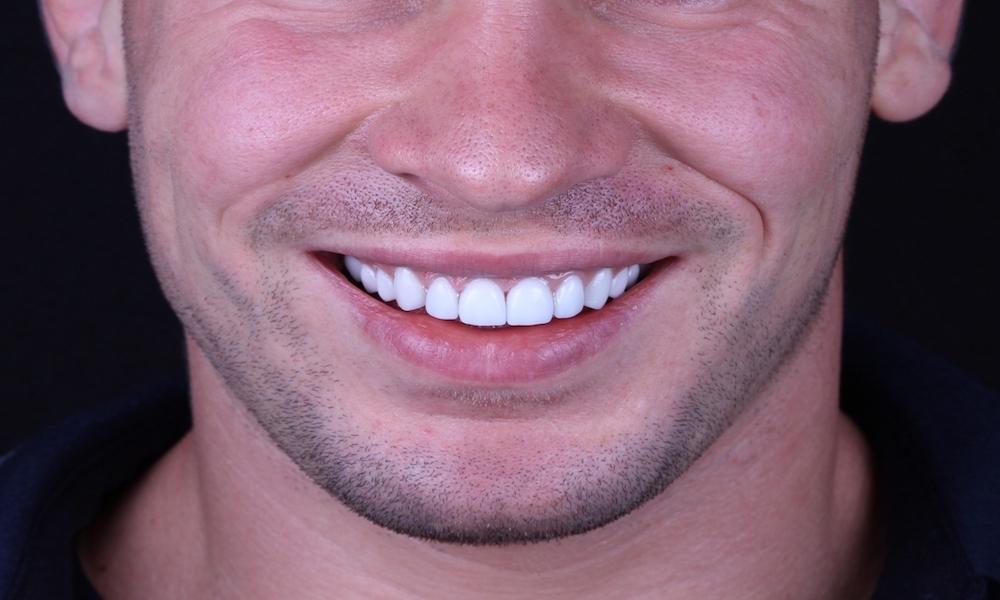
Dental veneers have become a popular cosmetic solution for those seeking a radiant smile, but they come with both advantages and disadvantages. Understanding the ins and outs of dental veneers is essential to determining whether they are the right choice for you. From their ability to enhance your smile to potential drawbacks such as cost and maintenance, weighing the pros and cons is crucial. This post will explore these facets, helping you make an informed decision about whether dental veneers are worth the investment.
Understanding Dental Veneers
Dental veneers are thin, custom-made shells that are designed to cover the front surface of teeth. These shells, usually made from porcelain or resin composite, enhance the appearance of teeth by improving color, shape, and size.
Key Features of Dental Veneers:
- Aesthetic Improvement: Dental veneers effectively conceal imperfections such as chips, stains, and gaps.
- Durability: With proper care, veneers can last between 10 to 15 years.
- Minimally Invasive: The process often requires only a small amount of tooth enamel to be removed, making it less invasive than other cosmetic procedures.
- Stain Resistance: Porcelain veneers are highly resistant to staining, maintaining their bright appearance over time.
Types of Dental Veneers:
- Porcelain Veneers:
- Pros: Excellent aesthetics and stain resistance.
- Cons: More expensive and may require multiple dental visits.
- Composite Resin Veneers:
- Pros: Cost-effective and can be applied in one visit.
- Cons: Less durable and may require more frequent replacements.
Overall, understanding dental veneers can help patients make informed decisions about their smile enhancement options. As you weigh the benefits and drawbacks, consider how they align with your dental goals and lifestyle preferences.
Benefits of Getting Dental Veneers
Dental veneers offer numerous advantages that make them an appealing option for those looking to enhance their smiles. Here are some of the most notable benefits:
- Aesthetic Improvement: Dental veneers can drastically improve the appearance of teeth. They cover imperfections such as stains, chips, and gaps, resulting in a brighter, more uniform smile.
- Natural Look and Feel: Made from high-quality materials, dental veneers closely mimic the natural appearance of tooth enamel. This allows for a seamless blend with your existing teeth, ensuring a pleasing aesthetic.
- Durability: Typically, dental veneers last between 10 to 15 years with proper care. They resist staining better than natural teeth, which means you can enjoy a radiant smile longer.
- Minimal Tooth Alteration: Unlike crowns, dental veneers require less tooth preparation. In many cases, only a small amount of enamel needs to be removed, preserving more of your natural teeth.
- Enhanced Confidence: A beautiful smile can boost self-esteem. Many individuals find that after getting dental veneers, they feel more confident in both personal and professional interactions.
In summary, dental veneers present a trifecta of aesthetics, durability, and minimal alteration that many find irresistible. However, it's essential to weigh these advantages against potential drawbacks when considering them for your smile makeover.
Potential Drawbacks of Dental Veneers
While Dental Veneers can dramatically enhance your smile, they do come with some potential drawbacks that you should consider before making a decision. Here are key points to keep in mind:
- Irreversibility: The process of getting Dental Veneers typically involves removing a thin layer of enamel from your teeth, making it irreversible. Once you choose to go through with it, you cannot return to your natural tooth structure.
- Sensitivity: Some patients experience increased tooth sensitivity after getting Dental Veneers, especially to hot or cold temperatures. This sensitivity may diminish over time but can be uncomfortable.
- Durability: Although Dental Veneers are made from strong materials, such as porcelain, they can still chip or crack under excessive pressure. Activities like grinding your teeth or biting hard objects can lead to damage.
- Maintenance: While Dental Veneers are resistant to staining, they still require proper oral hygiene practices to remain beautiful. Neglecting regular brushing and flossing can lead to issues with the underlying teeth.
- Cost: Dental Veneers can be expensive, often ranging from $800 to $2,500 per tooth. Additionally, they typically aren't covered by dental insurance, which adds to the financial investment.
By understanding these drawbacks, you can make an informed decision about whether Dental Veneers are right for you.
Cost Considerations for Dental Veneers
When contemplating Dental Veneers, understanding the associated costs is crucial. The price can vary based on several factors such as:
- Material Used: Veneers can be made from porcelain or composite resin. Porcelain veneers typically cost more due to their durability and natural appearance.
- Geographic Location: Prices differ significantly by region. Urban areas often have higher dental fees compared to rural locations.
- Dentist’s Expertise: An experienced cosmetic dentist may charge more for their specialized skills, but this can lead to better results.
Average Cost Breakdown
| Type of Veneer | Average Cost per Tooth |
|---|---|
| Porcelain Veneers | $925 - $2,500 |
| Composite Resin Veneers | $250 - $1,500 |
Keep in mind that Dental Veneers generally require a significant investment, as many patients opt for multiple veneers for a consistent smile. Moreover, while insurance rarely covers cosmetic procedures, some dental plans offer partial coverage for specific cases, which is worth checking.
Additionally, consider long-term costs. Well-maintained veneers can last over a decade, reducing the need for frequent replacements. However, if you choose a lower-cost option, you may incur higher costs down the line due to replacements or repairs. Ultimately, evaluate your budget and desired outcome to determine if Dental Veneers are a financially sound decision for you.
Making the Decision: Are They Right for You?
Choosing whether to get dental veneers involves careful consideration of multiple factors. Here are several key points to help you decide if dental veneers are the right choice for you:
- Dental Condition: Assess your teeth. Dental veneers effectively cover imperfections such as chips, gaps, or discoloration. If your dental issues exceed cosmetic concerns, other treatments may be more suitable.
- Lifestyle: Think about your lifestyle choices. If you frequently consume staining foods or beverages, the longevity of dental veneers may be compromised. You need to maintain good oral hygiene to maximize their lifespan.
- Cost versus Benefit: Dental veneers can be a significant investment. Evaluate the costs involved and weigh them against the potential boost in aesthetics and confidence.
- Long-term Commitment: Consider the longevity of dental veneers. While they can last 10 to 15 years with proper care, think about how life changes (like moving or a new job) could affect your dental preferences in the future.
- Consultation: Consult with your dentist to get personalized advice based on your dental health history. They can help you understand if dental veneers fit your needs.
Ultimately, dental veneers can enhance your smile, but it's crucial to weigh these factors carefully to determine if they complement your lifestyle and dental goals.

Berkan Tik
Dentist Berkan Tik graduated from Istanbul University Faculty of Dentistry. He has worked in various clinics focusing on implantology, prosthetic dental treatments, aesthetic dentistry, and digital dentistry applications…
View full profile →