
 English
  Turkce
  Deutsch
  Francais
  Russkij
  العربية
  Espanol
  Italiano
  Nederlands
  Balgarski
  Romana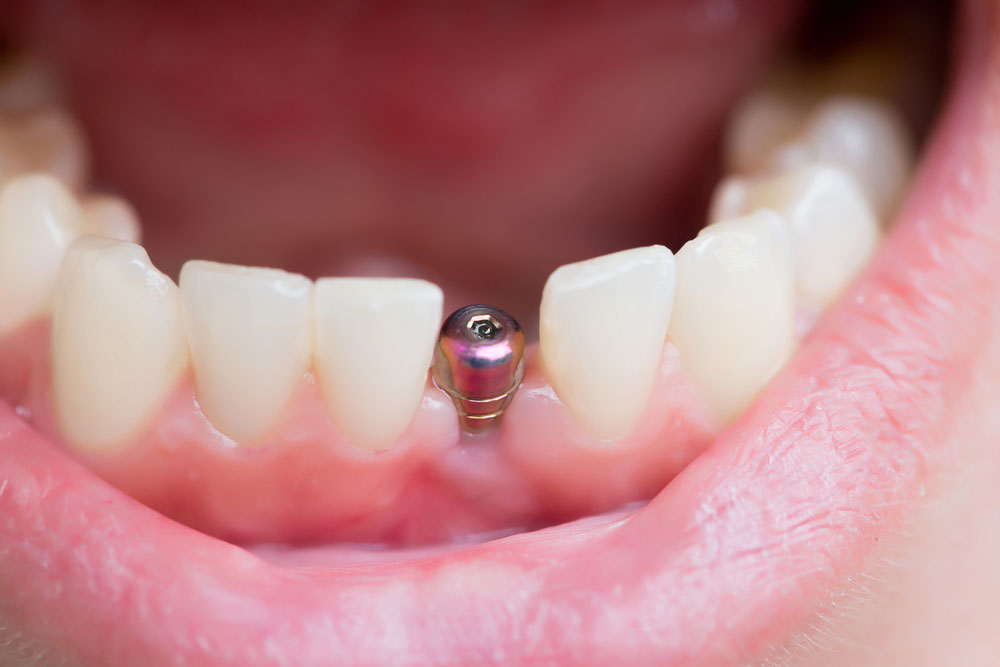
The decision to invest in dental implants can be daunting, particularly when considering the associated costs. Dental implants offer numerous benefits, including improved oral health, enhanced aesthetics, and lasting durability compared to other tooth replacement options. As you explore the various factors influencing the cost of dental implants, it's essential to evaluate their long-term value and how they compare to alternatives. Understanding these aspects will help you assess whether this investment is worthwhile for your dental needs.
Understanding Dental Implants and Their Benefits
Dental implants offer a permanent solution to tooth loss, providing unmatched stability and function. Essentially, these implants consist of three main parts:
- Implant: A titanium post surgically placed into the jawbone, acting as a root for the new tooth.
- Abutment: A connector that holds the crown to the implant.
- Crown: The visible part of the tooth, custom-designed to match the surrounding teeth.
Key Benefits of Dental Implants:
- Enhanced Aesthetics:
- Dental implants resemble natural teeth, improving your smile and overall appearance.
- Improved Functionality:
- Unlike dentures, dental implants allow you to chew and speak comfortably, restoring full functionality.
- Bone Health Preservation:
- Implants stimulate the jawbone, preventing bone loss and maintaining facial structure.
- Longevity:
- With proper care, dental implants can last a lifetime, making them a cost-effective option in the long run.
- Increased Comfort:
- Dental implants eliminate the discomfort often associated with removable dentures, providing a more secure fit.
Considering these advantages, dental implants represent not just a restoration of form but an enhancement of overall oral health. Thus, understanding the full scope of dental implants and their benefits is essential when deciding on tooth replacement options.
Factors Influencing the Cost of Dental Implants
When considering Dental Implants, understanding the various factors that affect their cost is crucial. Several elements contribute to the final price, and being aware of these can help you make an informed decision. Here are key factors to consider:
- Type of Implant: Different materials and technologies exist, with titanium and zirconia being popular choices. Each varies in cost, durability, and aesthetic appeal.
- Location: The geographic location of your dental provider can significantly impact the price. Urban areas typically charge more than rural regions due to higher overhead costs.
- Dentist's Expertise: An experienced implant dentist may charge more for their skill and success rates, but you often receive a higher quality service in return.
- Additional Procedures: Some patients may require preliminary treatments, such as bone grafting or sinus lifts, which can increase the overall cost of Dental Implants.
- Insurance Coverage: Some dental insurance plans partially cover Dental Implants, influencing what you pay out of pocket.
| Factor | Impact on Cost |
|---|---|
| Type of Implant | High to Moderate |
| Location | Low to High |
| Dentist's Expertise | Moderate to High |
| Additional Procedures | Variable |
| Insurance Coverage | Low to Moderate |
Understanding these factors enables you to weigh your options and determine if investing in Dental Implants is right for you.
Comparing Dental Implant Costs to Other Tooth Replacement Options
When considering tooth replacement methods, understanding the costs and benefits of dental implants compared to other options is essential.
Key Considerations:
- Longevity: Dental implants often last longer than bridges or dentures, potentially saving you money on replacements over time.
- Maintenance: Implants require the same care as natural teeth, while bridges and dentures may require additional maintenance.
- Functionality: Implants provide superior stability and function, allowing you to eat and speak with confidence—an area where dentures may fall short.
Ultimately, while the initial investment for dental implants may be higher, their long-term benefits such as durability and natural appearance often justify the cost. Investing in dental implants means investing in your oral health and overall quality of life.
Evaluating the Long-Term Value of Dental Implants
When considering tooth replacement, Dental Implants offer significant long-term value compared to other options. Here’s why:
- Durability: Dental Implants boast a lifespan of 10 to 15 years, often lasting a lifetime with proper care. In contrast, dentures usually require replacement every 5 to 7 years, accumulating additional costs.
- Functionality: Unlike bridges or dentures, Dental Implants restore full chewing ability and maintain jawbone integrity, preventing bone loss which can lead to further dental issues.
- Aesthetic Appeal: Dental Implants closely mimic natural teeth, enhancing confidence and quality of life. Patients enjoy the natural look and feel without the fear of slippage associated with dentures.
- Minimal Maintenance: Caring for Dental Implants is similar to natural teeth—brush, floss, and regular check-ups. Other options may require special cleaning products or solutions, increasing upkeep efforts.
| Feature | Dental Implants | Dentures | Dental Bridges |
|---|---|---|---|
| Lifespan | 10-15 years+ | 5-7 years | 5-15 years |
| Bone Preservation | Yes | No | No |
| Aesthetic Quality | High | Moderate | High |
| Maintenance | Regular dental care | Special care | Regular dental care |
In conclusion, while the initial investment in Dental Implants may be higher, their longevity, functionality, and minimal maintenance make them a cost-effective choice in the long run.
Financial Options and Considerations for Dental Implant Procedures
When considering Dental Implants, understanding the financial aspects is crucial. Dental implants typically represent a significant investment, but various options can help make treatment more manageable.
Payment Options
- Insurance Coverage: Some dental insurance plans cover part of the cost of dental implants. It’s essential to check with your provider to understand what is included in your plan.
- Payment Plans: Many dental clinics offer financing options, allowing patients to pay in installments. This makes the procedure more accessible without sacrificing quality.
- Health Savings Accounts (HSAs): If you have an HSA, you can use tax-free dollars to help pay for your dental implants.
Cost Considerations
- Quality vs. Cost: Cheaper alternatives might seem tempting; however, investing in high-quality materials and skilled professionals can lead to better outcomes and longevity for your dental implants.
- Long-Term Investment: While the upfront cost might be high, dental implants can last a lifetime with proper care, unlike dentures or bridges which may require replacements.
Conclusion
Evaluating your financial options can significantly impact the success and outcome of your dental implant journey. Therefore, take the time to explore all avenues and weigh them against the long-term benefits that dental implants provide.

Parvin Safaraliyev
Dr. Parvin Safaraliyev graduated from Istanbul University Faculty of Dentistry. She specializes in oral and maxillofacial surgery, combining advanced surgical techniques with comprehensive patient care. She integrates th…
View full profile →