
 English
  Turkce
  Deutsch
  Francais
  Russkij
  العربية
  Espanol
  Italiano
  Nederlands
  Balgarski
  Romana
Invisalign in Turkey is a clear aligner treatment that straightens adult teeth using a series of transparent, removable trays rather than fixed metal braces. Many international patients travel to Istanbul for clear aligner treatment because the cost is often considerably lower than in the UK, while the underlying technology and planning process are broadly the same. This guide explains what Invisalign involves, who tends to be a good candidate, how the process works from first scan to final tray, and the realistic considerations and approximate costs to weigh before booking a clinic abroad.
The term Invisalign refers to one well-known brand of clear aligners, though several similar systems exist. The principle is consistent across them: a digital plan moves your teeth in small, controlled stages, and you wear each set of aligners for a set period before progressing to the next. For adults who want a discreet alternative to traditional braces, clear aligners have become one of the most requested orthodontic options.
What is Invisalign and how does it differ from braces?
Invisalign is a system of custom-made, see-through plastic aligners that gradually reposition teeth. Unlike fixed braces, the trays are removable for eating and cleaning, contain no brackets or wires, and are far less visible. They suit mild to moderate alignment concerns particularly well.
Traditional braces remain highly effective and are often the better choice for complex cases, but many adults prefer aligners for everyday discretion. If you are weighing the two approaches, our overview of the differences between Invisalign and braces sets out where each one tends to perform best. The right option depends on your bite, the severity of crowding or spacing, and your lifestyle.
Who is a good candidate for clear aligners?
Good candidates for clear aligners are usually adults or older teenagers with mild to moderate crowding, spacing, or minor bite issues, healthy gums, and no untreated decay. People who can commit to wearing the trays around 20 to 22 hours a day tend to see the most reliable results.
Clear aligners are less predictable for severe rotations, large gaps, significant jaw discrepancies, or complex bite corrections, which may still need fixed braces or combined treatment. Active gum disease or untreated cavities should be addressed first, because moving teeth in an unhealthy mouth can worsen existing problems. A thorough assessment, including X-rays and a digital scan, determines whether you are suitable. An honest clinic will tell you when aligners are not the best route for your case.
How does Invisalign treatment work step by step?
Treatment begins with a consultation and a 3D digital scan of your teeth. From this, a clinician designs a staged movement plan, custom trays are manufactured, and you wear each set for one to two weeks before switching to the next, with periodic check-ins to confirm progress.
The typical pathway looks like this:
- Assessment and scan. The clinical team examines your teeth and gums, takes X-rays, and captures a digital impression. This forms the basis of your treatment plan.
- Digital planning. Software maps the movement of each tooth from start to finish, and you can usually preview a simulation of the expected result before committing.
- Aligner manufacture. Your custom trays are produced, sometimes with small tooth-coloured attachments bonded to certain teeth to help guide specific movements.
- Wearing the trays. You wear each set for the prescribed period, removing them only to eat, drink anything other than water, and clean your teeth.
- Reviews and refinement. Periodic check-ups track progress. Some cases need extra refinement aligners towards the end to fine-tune the finish.
- Retention. Once teeth are in their final position, retainers hold them in place. Retention is lifelong if you want to keep the result stable.
For patients travelling from abroad, much of the early planning can begin remotely, with the in-person visit concentrated on scanning, fitting, and dispensing several sets of trays at once where appropriate.
What are the benefits of choosing clear aligners?
The main benefits of clear aligners are their near-invisibility, the ability to remove them for meals and brushing, and the absence of wires that can irritate the cheeks. For adults conscious about appearance during treatment, this discretion is often the deciding factor.
- Discretion. The trays are transparent and difficult to notice in everyday conversation or photographs.
- Removable. You can take them out to eat your usual foods and to clean your teeth normally, which supports good oral hygiene throughout.
- Comfort. Smooth plastic avoids the brackets and sharp wires associated with fixed braces, so soft-tissue irritation is generally minimal.
- Predictable planning. Digital simulations let you see the intended outcome before treatment starts, which many patients find reassuring.
- Fewer emergencies. With no wires to snap or brackets to debond, unexpected breakages are less common, a practical advantage when treatment spans a trip abroad.
What are the risks and considerations to weigh?
Clear aligners are safe and well established, but they are not effortless. Results depend heavily on discipline, because trays removed too often will slow or compromise treatment. Mild temporary discomfort, a short-lived lisp, and the need for lifelong retention are normal parts of the process.
A few honest considerations matter. Aligners only work while they are in your mouth, so compliance is essential and largely down to you. Some teeth may need small attachments, which are visible up close. Complex cases can still require fixed braces, and not every smile concern responds well to aligners alone. Treating teeth abroad also means planning your follow-up: clinics that offer remote monitoring and a clear plan for reviews after you return home make this far smoother. As with any orthodontic treatment, minor relapse can occur if retainers are not worn consistently. None of this should deter a suitable candidate, but going in with realistic expectations protects your result.
How much does Invisalign cost in Turkey?
Invisalign in Turkey is typically far more affordable than in the UK. Costs vary by case complexity and the number of aligners needed, but treatment in Istanbul commonly falls in the region of approximately £1,500–£3,000, against roughly £2,500–£5,500 for comparable treatment in the UK. All figures are approximate and vary by case.
The table below gives an evergreen, approximate comparison. Prices are indicative ranges only, intended for orientation rather than a quotation, and the precise figure for any individual depends on the assessment.
| Treatment scope | UK (approx.) | Turkey (approx.) |
|---|---|---|
| Mild correction (short course) | £2,000–£3,500 | £1,000–£2,000 |
| Moderate correction (full course) | £3,500–£5,500 | £1,800–£3,000 |
| Retainers (per set) | £150–£300 | £80–£200 |
The lower pricing in Turkey reflects local operating costs rather than any compromise in the aligner system itself, which is internationally standardised. When comparing quotes, check what is included: scans, refinement trays, attachments, and the first set of retainers can sometimes be priced separately. For a closer look at the variables behind the figures, our guide to Invisalign costs in Turkey breaks down what shapes the final price.
Why do patients choose Turkey for clear aligners?
Patients choose Turkey for clear aligners mainly because of the combination of significantly lower costs, experienced clinical teams, and Istanbul's accessibility as a travel hub. Many clinics are geared towards international patients, with English-speaking coordinators and treatment plans designed around a short, focused visit.
That said, choosing a clinic well matters more than choosing a country. Look for clear treatment planning, transparent pricing, and a defined approach to follow-up care once you are home. Reading about how to assess dental treatment safety in Turkey is a sensible step before booking. At Seren Klinik, our clinical team assesses each case individually and will recommend aligners only where they are genuinely the right tool for your smile, which is the standard any reputable clinic should hold.
Frequently asked questions
Does Invisalign hurt?
Most people feel mild pressure or tenderness for a day or two when starting each new set of aligners, as the trays apply gentle force to move teeth. This usually settles quickly and is generally milder than the discomfort associated with fixed braces tightening.
How long does clear aligner treatment take?
Treatment length depends on the complexity of your case. Mild corrections can take a few months, while moderate cases often run around 12 to 18 months. Your clinician will give a personalised estimate after the assessment, and wearing the trays as instructed keeps you on schedule.
Can I get Invisalign in Turkey if I live abroad?
Yes. Many clinics structure treatment so that initial planning and scanning happen during a short visit, with several aligner sets dispensed at once. Remote monitoring and clear review arrangements help manage progress after you return home, so choose a clinic that explains this clearly.
Do I have to wear a retainer afterwards?
Yes. Retainers are essential to hold teeth in their new position, because teeth naturally tend to drift over time. Most clinicians recommend wearing retainers indefinitely, often nightly after an initial full-time period, to keep your result stable for the long term.
Related reading
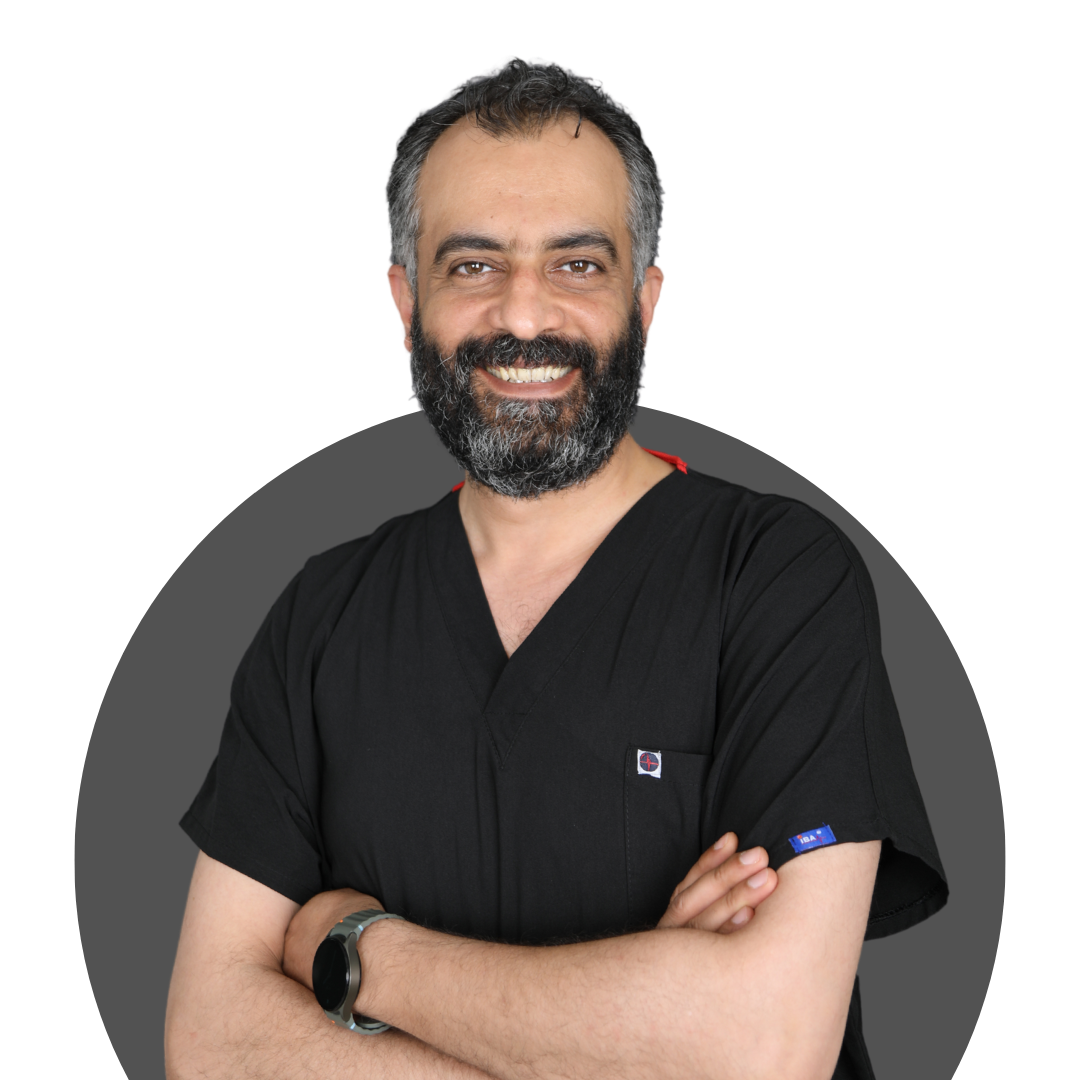
Mahir Yılmaz
Dr. Mahir Yılmaz graduated from Istanbul University Faculty of Dentistry. He has extensive academic knowledge and clinical experience in general and restorative dentistry. With many years of professional experience, Dr. …
View full profile →