
 English
 Turkce
 Deutsch
 Francais
 Russkij
 العربية
 Espanol
 Italiano
 Nederlands
 Balgarski
 Romana
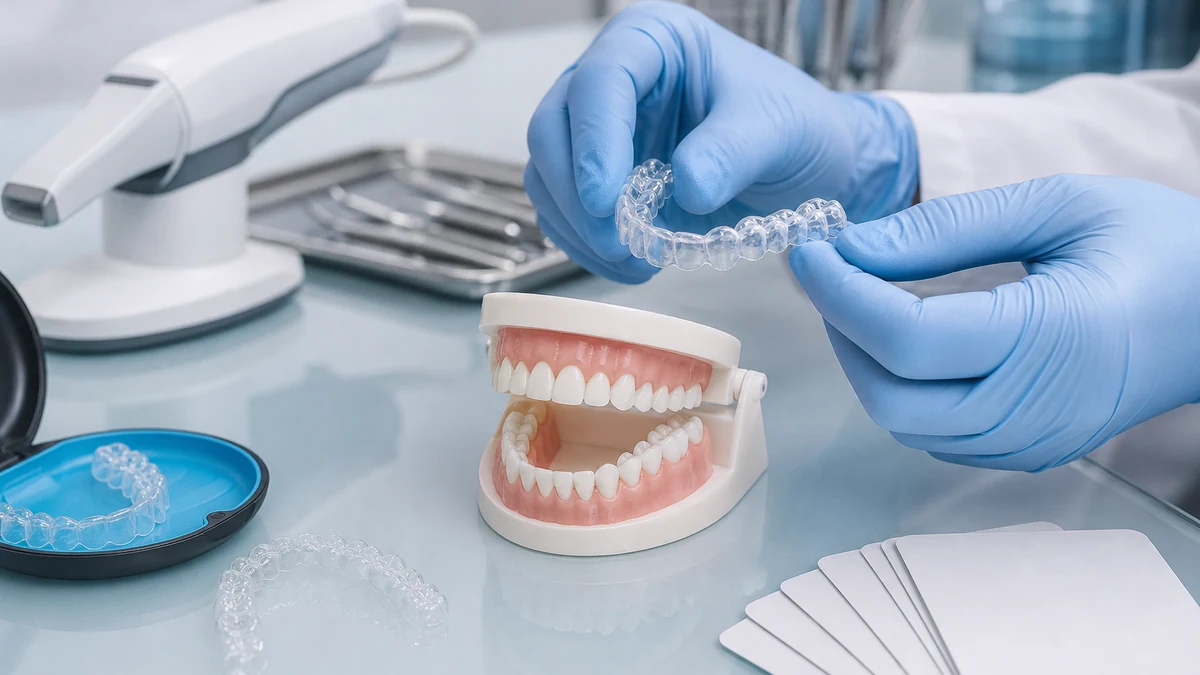
Invisalign cost in Turkey typically sits well below what patients pay in the UK, which is why Istanbul has become a popular destination for clear aligner treatment. Invisalign is a series of custom-made, removable transparent aligners that gradually straighten the teeth without metal brackets or wires. The price depends heavily on how much movement your teeth need, so the figures below are approximate ranges rather than fixed quotes. This guide explains what shapes the cost, what a treatment plan usually includes, and the trade-offs worth weighing before you travel.
How Much Does Invisalign Cost in Turkey?
Invisalign in Turkey is commonly offered from roughly £1,500 to £4,000, depending on case complexity and the number of aligners required. Simple corrections sit at the lower end, while full-arch cases with many stages cost more. These are approximate ranges and vary by individual assessment.
By comparison, the same treatment in the UK frequently falls between £2,500 and £5,500 or higher. The price gap reflects lower clinical overheads and laboratory costs in Turkey, not a lower standard of the aligner product itself, which is manufactured to the same specification worldwide. A consultation and 3D scan are needed to give you an accurate, case-specific figure.
What Is Invisalign and How Does It Work?
Invisalign uses a planned sequence of clear plastic aligners, each worn for one to two weeks before moving to the next. Every aligner applies gentle, controlled pressure to shift the teeth a fraction of a millimetre at a time, following a digital treatment plan mapped out from a scan of your mouth.
Because the aligners are removable, you take them out to eat, drink anything other than water, and brush. To work as intended they should be worn for around 20 to 22 hours a day. Treatment usually runs from several months to roughly 18 months, depending on how far your teeth need to move. Aligners are an established orthodontic option, and many cases that once needed fixed braces can now be treated this way. If you are still comparing approaches, our overview of Invisalign versus traditional braces sets out where each tends to perform best.
Who Is a Good Candidate for Invisalign?
Invisalign suits mild to moderate crowding, spacing, and many bite issues in patients with healthy teeth and gums. Severe skeletal discrepancies, complex rotations, or large vertical movements may still need fixed braces or combined treatment. A clinician assesses suitability before any plan is finalised.
Good candidates also tend to be disciplined wearers, since the aligners only work while they are in the mouth. Active gum disease or untreated decay must be resolved first, because moving teeth through unhealthy tissue can cause harm. Younger patients with still-developing jaws are sometimes better served by other options. An honest assessment is essential, and a responsible clinic will tell you when clear aligners are not the right tool for your case. Comparable removable systems exist too, and our look at clear aligners versus Invisalign explains how the branded and generic routes differ.
What Affects the Price of Invisalign?
Several factors move the cost within the range. Understanding them helps you read a quote and compare clinics fairly.
- Case complexity: more crowding or rotation means more aligners and a longer plan, which raises the fee.
- Number of arches: treating both the upper and lower teeth costs more than a single arch.
- Treatment length: longer cases need more aligners and more review appointments.
- Aligner type: Invisalign offers different packages, from short express plans to comprehensive full-treatment versions.
- Retainers and refinements: end-of-treatment retainers and any mid-course adjustments may be priced separately, so always ask.
Always confirm what a quoted figure includes before committing. A transparent treatment plan should spell out the number of aligners, the projected duration, and whether scans, retainers, and follow-up reviews are part of the total. For a broader sense of how aligner pricing fits alongside other procedures, our guide to dental treatment costs in Turkey gives useful context.
What Is Usually Included in a Treatment Plan?
A typical Invisalign package covers the initial consultation and 3D scan, the full set of custom aligners, and the planned review appointments throughout treatment. Many plans also include the first set of retainers, though this is not universal, so it is worth confirming in writing.
For patients travelling from abroad, remote monitoring between visits has made aligner treatment more practical, since fewer in-person reviews are needed than with fixed braces. Even so, you will usually need at least one in-person appointment for scanning and fitting, and possibly a follow-up. Clarify before you travel how progress will be checked, who manages refinements, and what happens if an aligner is lost or a tooth does not track as planned.
Benefits and Considerations
The appeal of Invisalign is clear: the aligners are nearly invisible, removable for eating and cleaning, and generally more comfortable than metal brackets, with no wires to irritate the cheeks. For adults who want to straighten their teeth discreetly, this is often the deciding factor.
There are honest trade-offs, though. Results depend almost entirely on patient compliance, and removing the aligners too often slows or compromises progress. Mild discomfort or pressure is normal for a day or two after switching aligners. Not every case is suitable, and clear aligners are not a guaranteed substitute for fixed braces in complex situations. Treatment also requires a long-term commitment to wearing retainers afterwards, since teeth naturally tend to drift back without them.
Why Many Patients Choose Turkey
Turkey combines lower treatment costs with experienced clinical teams and modern digital workflows, which is why it has grown into a leading destination for clear aligner treatment. The savings can be substantial without the aligner product itself being any different from what is used elsewhere.
That said, choose carefully. Look for clinics that provide a clear written plan, transparent pricing, and a realistic appraisal of your case rather than blanket promises. At Seren Klinik, our specialist team assesses each patient individually and will recommend the most appropriate orthodontic approach for your situation. Travelling for treatment works best when expectations, costs, and follow-up arrangements are agreed before you go.
Invisalign only straightens teeth while it is being worn, so the discipline to keep the aligners in for 20 to 22 hours a day matters as much as the treatment plan itself.
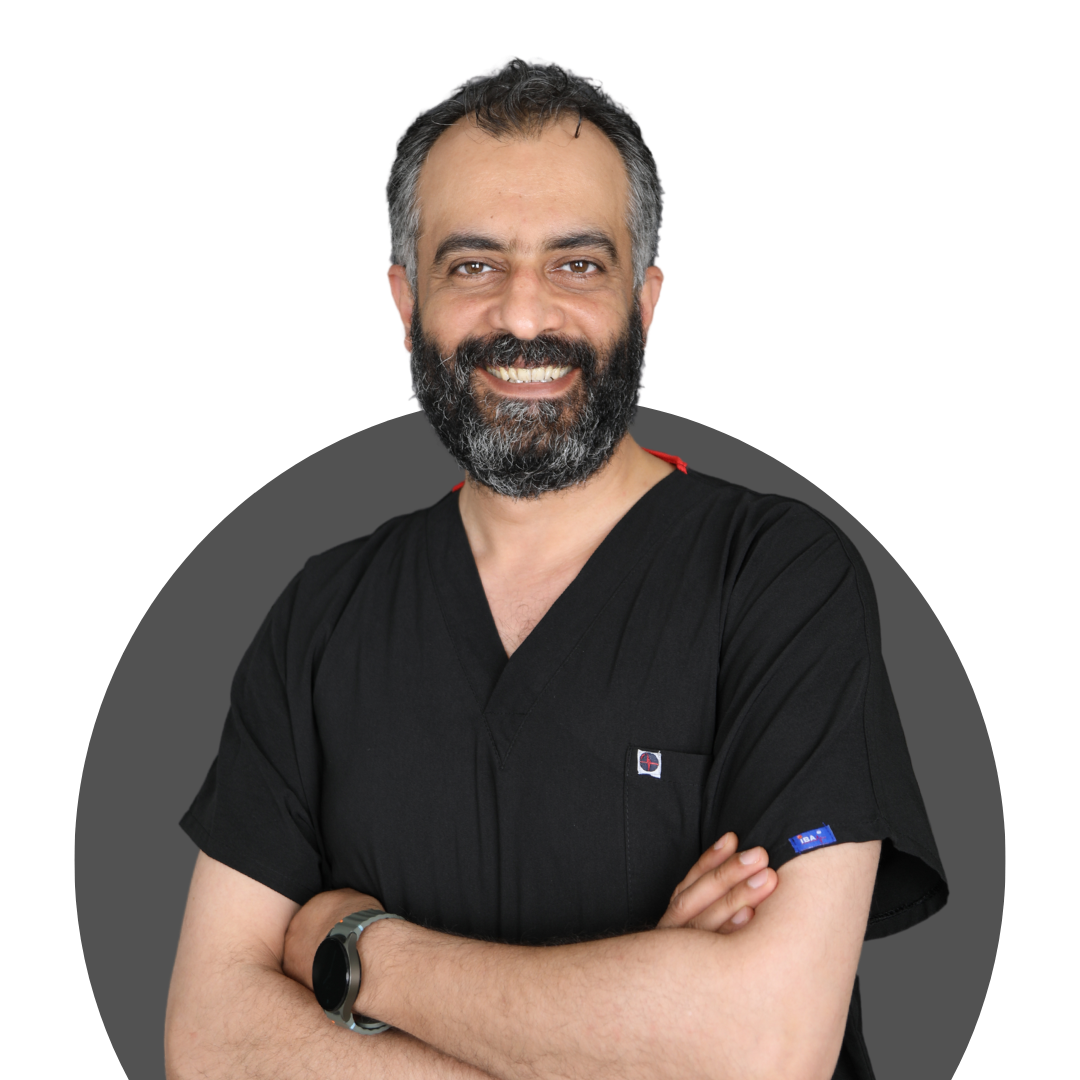
Mahir Yılmaz
Dr. Mahir Yılmaz graduated from Istanbul University Faculty of Dentistry. He has extensive academic knowledge and clinical experience in general and restorative dentistry. With many years of professional experience, Dr. …
View full profile →