
 English
 Turkce
 Deutsch
 Francais
 Russkij
 العربية
 Espanol
 Italiano
 Nederlands
 Balgarski
 Romana
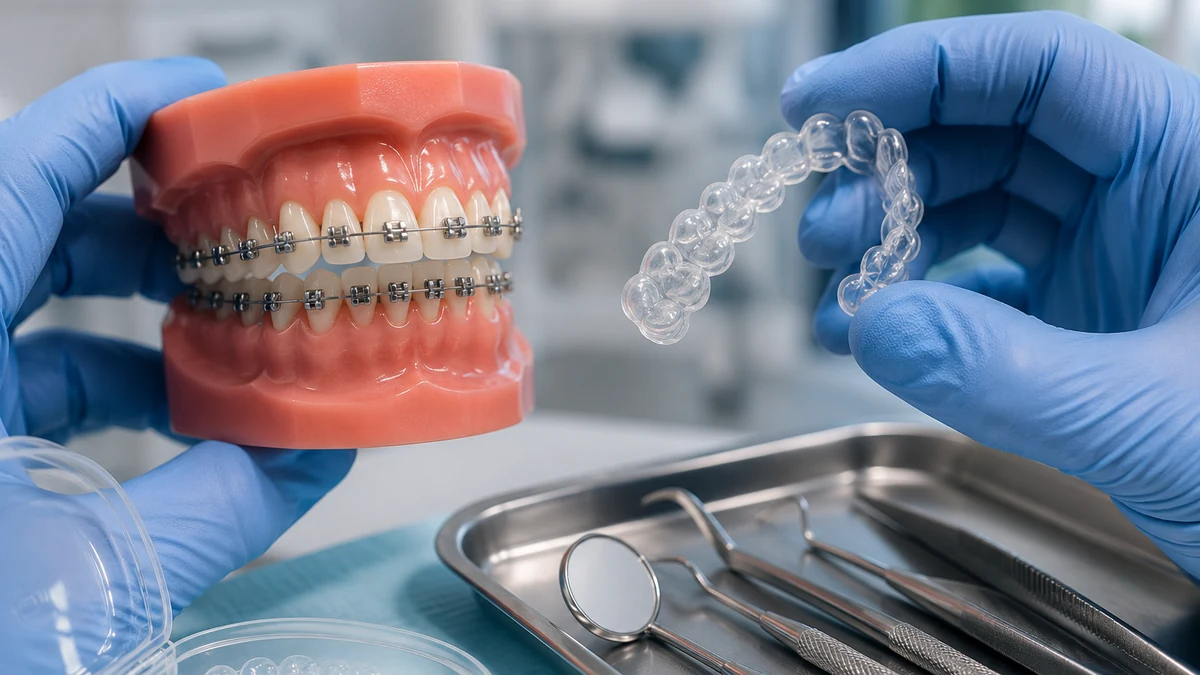
Adult orthodontics is the use of braces or clear aligners to straighten teeth and correct bite problems in patients past their teenage years. Teeth can move at almost any age, so the short answer to the most common worry is reassuring: it is rarely too late. More adults than ever now choose orthodontic treatment in Turkey and elsewhere, both for appearance and for the long-term health benefits of a well-aligned bite. This guide explains who it suits, the main options, realistic timelines, and approximate costs.
Is it ever too late to straighten your teeth as an adult?
For most healthy adults, it is not too late. Teeth respond to gentle, controlled pressure throughout life, so people in their 40s, 50s, and beyond are regularly treated successfully. What matters far more than age is the health of your gums and the bone that supports your teeth.
Treatment in adults can take a little longer than in teenagers, because adult bone is denser and no longer growing. The trade-off is usually worth it. A straighter, healthier bite is achievable well into later life, provided the foundations are sound.
Why do adults choose orthodontic treatment?
Motivations are a mix of appearance, function, and health. Many adults disliked their crooked or crowded teeth for years and finally decide to act. Others develop new problems over time, as teeth can drift and shift gradually throughout adulthood.
Common reasons adults seek treatment include:
- Crowding or crooked teeth that are hard to clean, raising the risk of decay and gum disease.
- Gaps between teeth (diastema) that affect confidence or trap food.
- Bite problems such as an overbite, underbite, or crossbite that can cause uneven wear or jaw strain.
- Relapse, where teeth have shifted years after childhood braces because a retainer was not worn.
- Preparing for other dental work, such as aligning teeth before crowns, bridges, or implants.
What are the main adult orthodontic options?
The right choice depends on how complex your case is, how visible you want treatment to be, and your budget. A qualified orthodontist assesses your teeth, bite, and X-rays before recommending an approach. The main options are clear aligners, tooth-coloured or metal braces, and hidden lingual braces.
Clear aligners
Removable, near-invisible plastic trays that gradually move teeth. They are popular with adults because they are discreet and can be taken out to eat and clean. They suit mild to moderate cases best. If you are weighing this route, our guide to clear aligners for adults explains how the process works day to day.
Fixed braces
Brackets bonded to the teeth and linked by a wire. Modern ceramic braces use tooth-coloured brackets that blend in, while traditional metal braces remain the most versatile option for complex cases. Fixed braces stay on throughout treatment, so there is nothing to remember to wear.
Lingual braces
Braces fitted to the inside (tongue side) of the teeth, so they are hidden from view. They appeal to adults who want fixed-brace results without visible hardware. Our overview of hidden lingual braces covers how they differ from standard braces.
How long does adult orthodontic treatment take?
Most adult treatment takes somewhere between 12 and 24 months, though simple cases can finish sooner and complex bite corrections can run longer. Your orthodontist gives a personalised estimate after examining your teeth, since timing depends on how far teeth must move.
A few factors influence the timeline:
- Case complexity: minor crowding moves faster than a major bite correction.
- Your chosen appliance: some cases progress more efficiently with fixed braces than with aligners.
- Compliance: aligners only work when worn for the recommended 20 to 22 hours a day.
- Gum and bone health: healthy supporting tissue allows steady, predictable movement.
Are adults good candidates, and what are the risks?
Healthy adults with sound gums and bone are usually good candidates. Honesty matters here: orthodontics is not suitable for everyone. Active gum disease, significant bone loss, or untreated decay must be addressed first, because moving teeth through unhealthy tissue can cause harm.
As with any treatment, there are realistic risks and limits to keep in mind:
- Gum disease must be controlled first. Straightening teeth in an unstable mouth can worsen bone loss.
- Mild root shortening can occur during tooth movement; an experienced orthodontist monitors this with X-rays.
- Temporary discomfort after adjustments is normal and usually settles within a few days.
- Retainers are for life. Without a retainer, adult teeth tend to drift back, so lifelong night-time wear is the realistic expectation.
The single biggest factor in lasting results is wearing your retainer as advised. Orthodontics straightens teeth; retainers keep them straight.
What does adult orthodontics cost?
Costs vary widely by case complexity, the appliance chosen, and the country of treatment. As a rough guide, clear aligners and braces in the UK often range from around £2,000 to £6,000 or more. In Turkey, comparable treatment is typically a good deal more affordable, frequently in the region of £1,000 to £3,000, though every quote depends on your individual needs.
These figures are approximate and vary by case. Turkey's lower cost reflects local overheads and living costs rather than a drop in standards, and reputable Istanbul clinics use the same internationally recognised aligner and brace systems found in the UK. For a like-for-like comparison, treat aligner pricing separately from fixed-brace pricing, as they differ. You can read more in our breakdown of aligners versus braces.
When should you see a dentist or orthodontist?
Book an assessment if your teeth are crowded, gapped, or crooked, if your bite feels off, or if teeth have shifted since childhood braces. A consultation, including X-rays, is the only reliable way to know which options fit your mouth and what results are realistic. There is no obligation to proceed, and an honest clinician will tell you if a simpler treatment, or none at all, makes more sense for you.
Frequently asked questions
Can you get braces or aligners in your 50s or 60s?
Yes. There is no upper age limit for orthodontics as long as your gums and bone are healthy. Many patients in their 50s and 60s are treated successfully. Your orthodontist will check your gum health first and may take X-rays before recommending an option.
Do adults need a retainer after treatment?
Yes, and indefinitely. Adult teeth naturally drift over time, so a retainer is essential to hold the new position. Most people wear one at night for the long term. Skipping it is the most common reason teeth relapse and become crooked again.
Is adult orthodontic treatment painful?
It should not be very painful, though some soreness is normal. Teeth often feel tender for a few days after braces are fitted or aligners are changed, easing with over-the-counter pain relief. Discomfort is usually mild and temporary rather than severe, and it settles as you adjust.
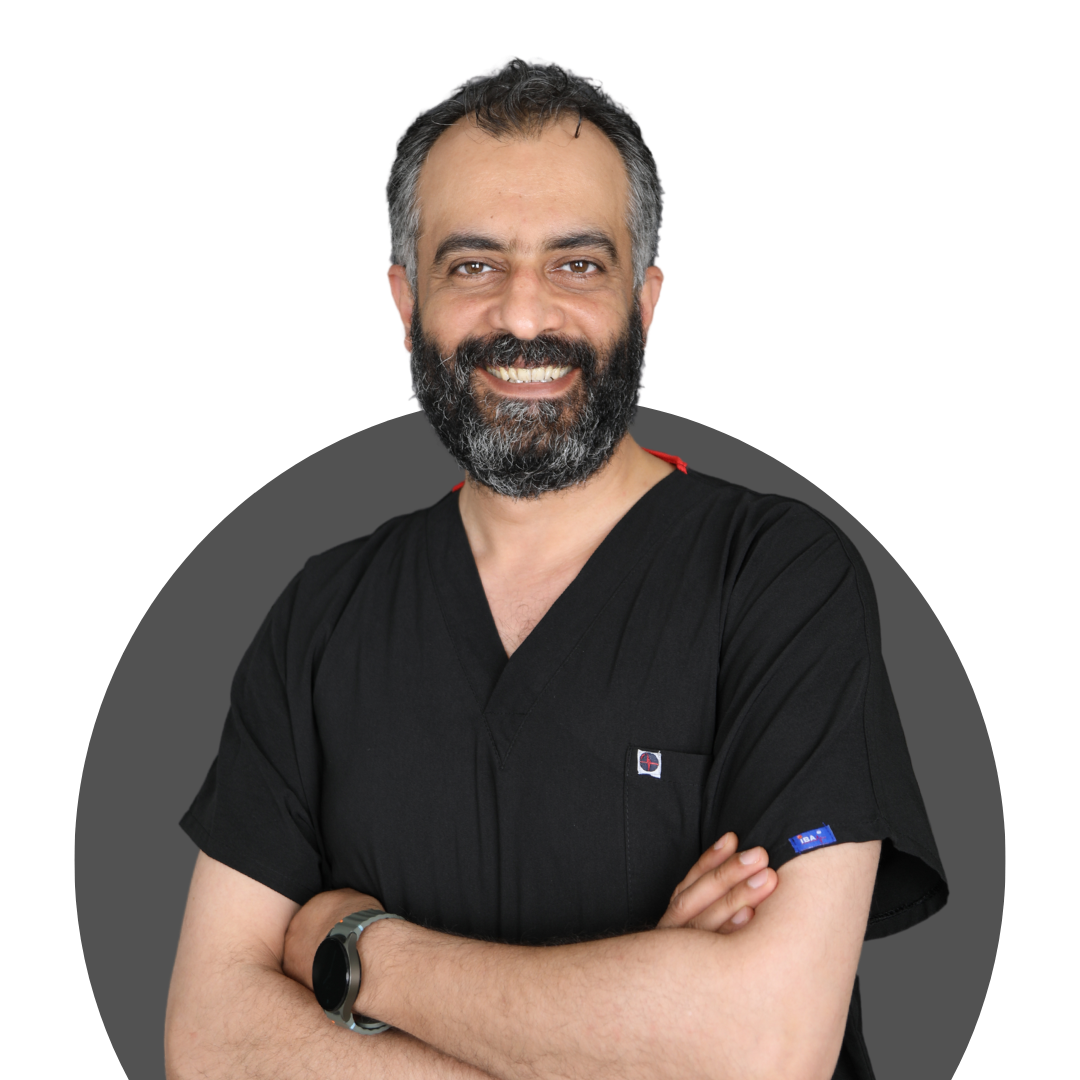
Mahir Yılmaz
Dr. Mahir Yılmaz graduated from Istanbul University Faculty of Dentistry. He has extensive academic knowledge and clinical experience in general and restorative dentistry. With many years of professional experience, Dr. …
View full profile →