
 English
  Turkce
  Deutsch
  Francais
  Russkij
  العربية
  Espanol
  Italiano
  Nederlands
  Balgarski
  Romana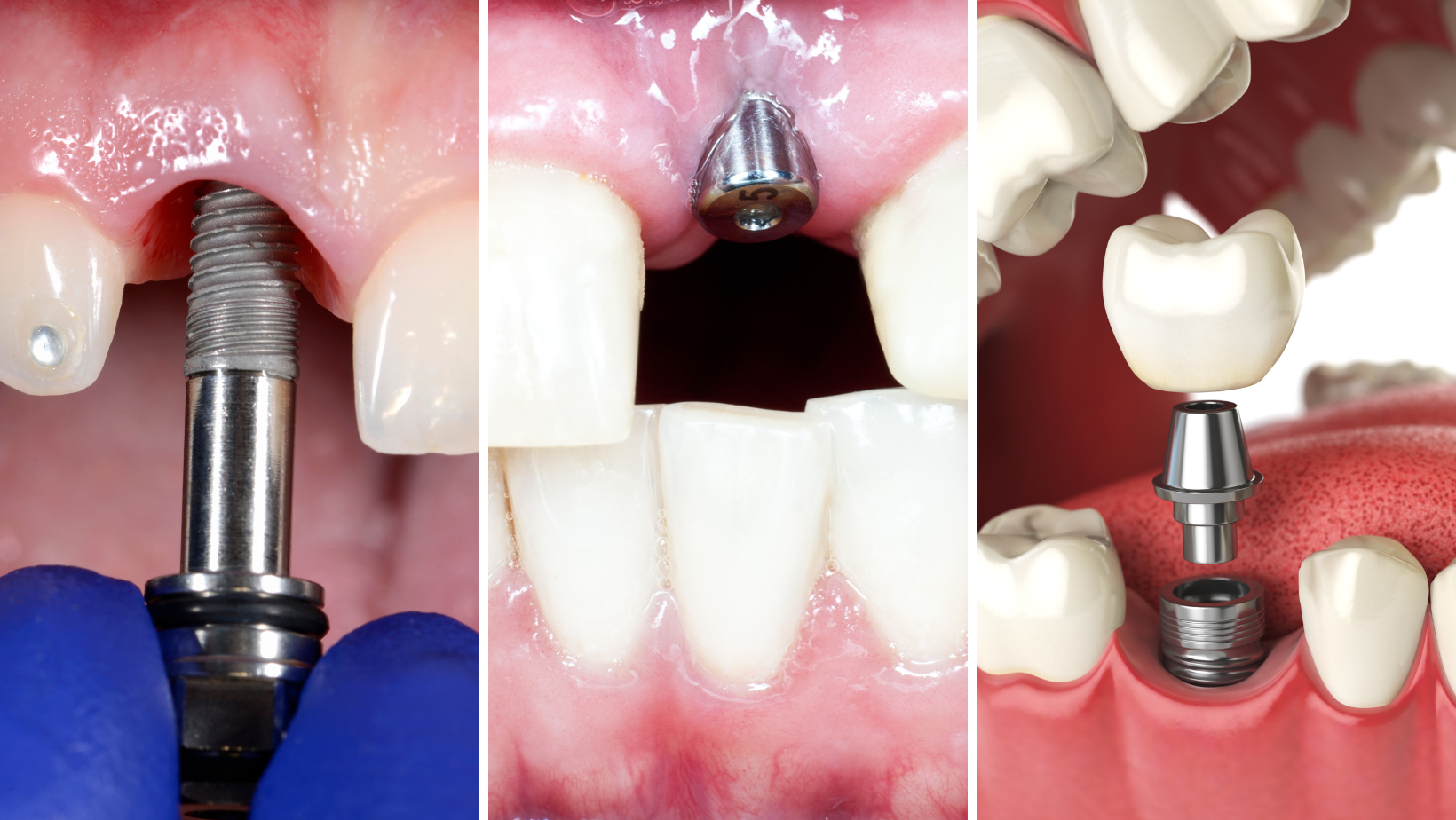
Caring for your dental implants is essential to ensure their longevity and effectiveness. These modern dental solutions offer numerous benefits, including improved aesthetics and functionality. However, proper maintenance is key to maximizing their lifespan. Understanding how to care for implants through daily oral hygiene practices, routine dental visits, and managing any discomfort can significantly contribute to long-lasting results. By adopting a proactive approach to your dental care, you can enjoy the confidence and quality of life that dental implants provide.
Understanding Dental Implants and Their Benefits
Dental implants serve as a sturdy foundation for replacement teeth, making them an increasingly popular option among individuals seeking to restore their smiles. Essentially, a dental implant acts as an artificial tooth root, surgically placed into the jawbone. Once healed, it supports various types of dental restorations, including crowns, bridges, and dentures.
Key Benefits of Dental Implants:
- Natural Appearance: Dental implants resemble natural teeth closely, enhancing aesthetics and boosting confidence.
- Durability: With proper care, implants can last a lifetime, making them a cost-effective solution compared to alternatives.
- Improved Oral Health: Implants help maintain bone structure and prevent erosion, unlike dentures that may cause bone loss over time.
- Functionality: They provide stable chewing power, allowing you to enjoy your favorite foods without fear.
To ensure optimal results, it’s essential to learn how to care for implants. Regular oral hygiene, including brushing and flossing, helps preserve the health of surrounding gums and teeth. Moreover, professional dental check-ups are vital in monitoring implant integrity and detecting any potential issues early on.
In conclusion, understanding dental implants and their benefits is crucial for anyone considering this option. By properly caring for implants, patients can enjoy a functional and beautiful smile for years to come.
Daily Oral Care Practices for Dental Implant Maintenance
To effectively care for implants, establishing a solid daily oral care routine is essential. This not only promotes the longevity of your dental implants but also ensures overall oral health. Here are key practices to incorporate into your daily routine:
- Brush Twice Daily: Use a soft-bristled toothbrush and non-abrasive toothpaste to clean your implants gently. Ensure you brush all surfaces, including around the implants.
- Floss Daily: Flossing helps remove plaque and food particles that brushing may miss. Consider using a floss threader or implant-specific floss for easier access to tight spaces.
- Use Antimicrobial Mouthwash: Rinse with an antimicrobial mouthwash to help reduce bacteria around the implant area. This will further support your efforts to care for implants effectively.
- Avoid Hard Foods: Limit hard or crunchy foods that could potentially damage your implants or dislodge them. Choose softer options that are easier on your dental work.
- Stay Hydrated: Drink plenty of water throughout the day. Staying hydrated helps maintain saliva production, which naturally protects your oral health.
- Mouthguards: If you grind your teeth (bruxism), consider using a mouthguard while sleeping. It protects both your natural teeth and dental implants.
By adhering to these daily practices, you will significantly enhance your ability to care for implants, ensuring they last for years to come.
Regular Dental Check-ups and Professional Cleanings
When it comes to the Care for Implants, regular dental check-ups and professional cleanings are crucial for maintaining the health and longevity of your dental implants. These appointments not only ensure your implants remain secure but also help in identifying potential issues before they escalate.
Importance of Regular Check-ups:
- Early Detection of Issues: Regular visits allow your dentist to monitor your implants for any signs of complications, such as infections or bone loss.
- Professional Cleaning: Your dentist can provide deep cleaning that effectively removes plaque and tartar buildup that regular brushing might miss.
- Assessment of Surrounding Teeth: Your dentist will also check the health of your natural teeth and gums, which is essential since they support your implants.
Recommended Frequency:
| Schedule | Recommendation |
|---|---|
| General Check-up | At least every six months |
| Special Cases | More frequent visits may be needed based on your oral health |
Benefits of Professional Cleanings:
- Enhanced Oral Hygiene: Professional cleaning helps keep your mouth free from bacteria and promotes good gum health.
- Longevity of Implants: Investing time in regular appointments enhances the overall success rate of your implants, ensuring they last for many years.
By making these check-ups a priority, you actively invest in the Care for Implants, securing their place in your smile for a lifetime.
Managing Discomfort and Potential Complications
Caring for your dental implants is not only about routine cleaning and maintenance; it also involves managing discomfort and addressing any potential complications that may arise. Although dental implants are designed to be durable and long-lasting, patients can sometimes experience discomfort or complications. Here’s how to effectively manage them:
Common Discomfort and Complications
- Gum Sensitivity: Temporary sensitivity around the implant site is common during the healing process. To alleviate this, consider:
- Using a soft-bristle toothbrush
- Rinsing with saltwater
- Infection: Signs of infection such as swelling, pain, or pus require immediate attention. To help prevent infection:
- Maintain strict oral hygiene
- Schedule routine dental check-ups
When to Seek Professional Help
If you experience persistent discomfort despite following care for implants, consult your dentist. Recognizing symptoms that warrant a professional evaluation is crucial:
| Symptom | Recommendation |
|---|---|
| Prolonged pain | Visit the dentist immediately |
| Swelling beyond a week | Schedule an appointment |
| Unusual taste or odor | Seek dental care right away |
Pain Management Strategies
- Over-the-counter pain medications can effectively manage discomfort.
- Cold compresses can reduce swelling and provide relief.
By being proactive and attentive to your dental health, you can minimize discomfort and ensure optimal care for implants, leading to long-lasting results.
Tips for Making Your Dental Implants Last Longer
To ensure the longevity of your dental implants, proper care and maintenance are essential. Here are several practical tips to help you effectively care for implants:
- Practice Excellent Oral Hygiene:
- Brush your teeth at least twice a day using a soft-bristled toothbrush.
- Floss daily to remove plaque buildup around the implant area.
- Use Non-abrasive Products:
- Choose mild toothpaste that won’t scratch the surface of your implants.
- Avoid hard-bristle toothbrushes, which can damage both the implants and surrounding gums.
- Limit Staining Substances:
- Minimize intake of coffee, tea, and red wine, as they can stain your implants over time.
- If you consume these beverages, rinsing your mouth afterward can be beneficial.
- Avoid Smoking:
- Smoking can hinder the healing process and negatively impact implant success rates.
- Quitting or reducing tobacco use significantly improves your oral health.
- Wear a Mouthguard:
- If you grind your teeth (bruxism), using a mouthguard during sleep protects your implants from excessive force and damage.
In summary, follow these preventive actions to help ensure your implants remain in excellent condition. Proper care for implants boosts their durability and keeps your smile radiant for years to come. Regular monitoring and adherence to these practices can make a noticeable difference in the lifespan of your dental implants.

Parvin Safaraliyev
Dr. Parvin Safaraliyev graduated from Istanbul University Faculty of Dentistry. She specializes in oral and maxillofacial surgery, combining advanced surgical techniques with comprehensive patient care. She integrates th…
View full profile →