
 English
  Turkce
  Deutsch
  Francais
  Russkij
  العربية
  Espanol
  Italiano
  Nederlands
  Balgarski
  Romana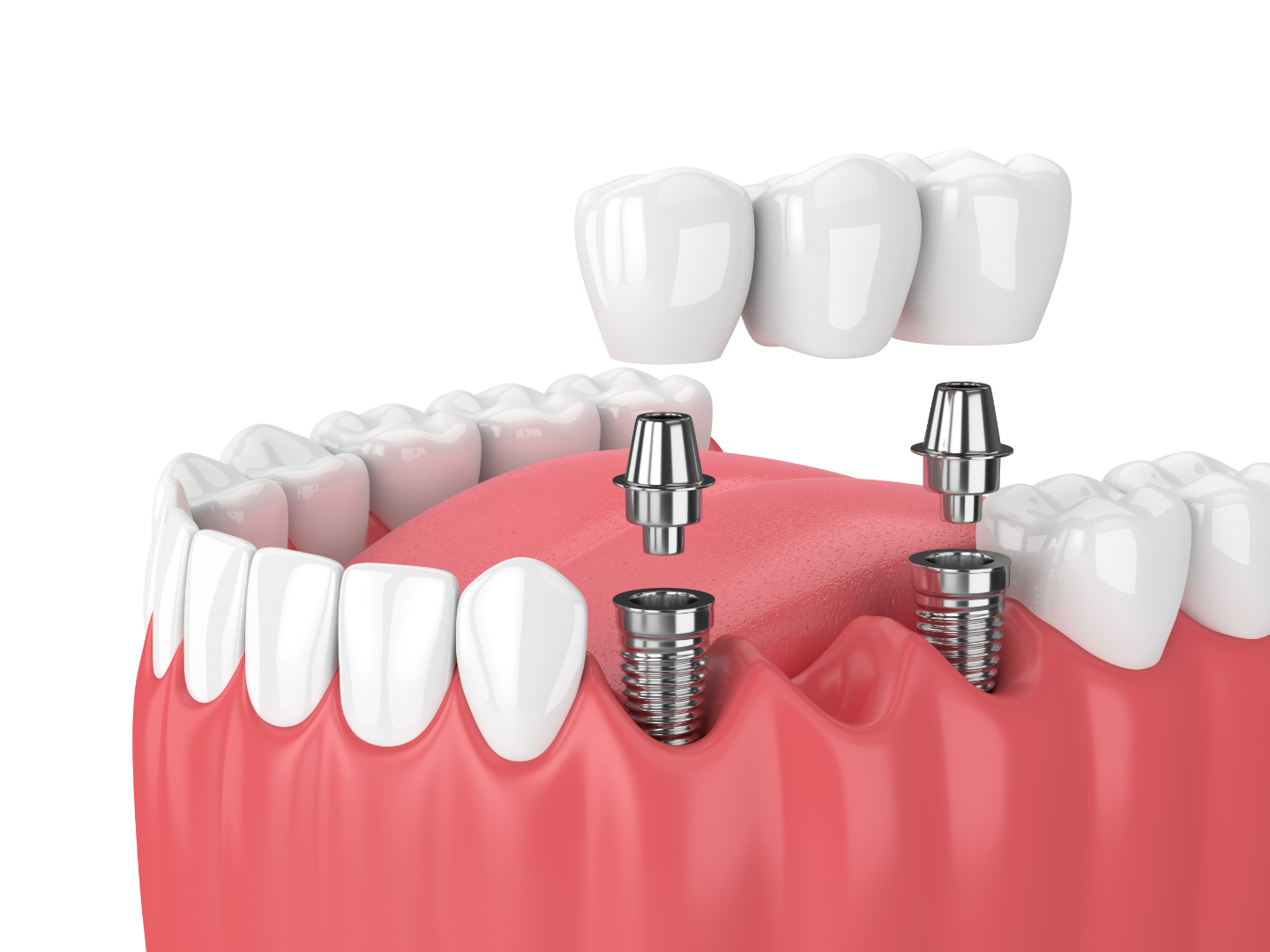
Dental implants have emerged as a revolutionary solution for restoring oral health, providing a firm foundation for replacement teeth that look and function like natural ones. By understanding dental implants and their benefits, patients can reclaim confidence in their smiles and improve their overall quality of life. This article will explore the procedure involved, post-operative care, and debunk common myths surrounding this transformative dental technology, highlighting how dental implants can significantly enhance one's oral health.
Understanding Dental Implants and Their Benefits
Dental implants represent a revolutionary solution for those with missing teeth. Essentially, they consist of a titanium post surgically placed into the jawbone, acting as a robust foundation for artificial teeth. This unique design offers several compelling benefits:
- Natural Appearance: Dental implants mimic the look and function of natural teeth, restoring your smile seamlessly.
- Durability: With proper care, implants can last a lifetime, making them a wise long-term investment in dental health.
- Bone Health: They stimulate the jawbone, preventing bone loss that typically accompanies tooth loss and maintaining facial structure.
- Improved Oral Function: Unlike dentures, dental implants allow you to eat, speak, and smile with confidence, without the fear of slippage.
- Convenience: Dental implants eliminate the need for adhesives and dietary restrictions often associated with removable prosthetics.
Comparison Table: Dental Implants vs. Other Tooth Replacement Options
| Feature | Dental Implants | Dentures | Bridges |
|---|---|---|---|
| Lifespan | 15+ years | 5-10 years | 5-15 years |
| Bone Preservation | Yes | No | No |
| Maintenance | Minimal | Regular cleaning | Regular cleaning |
| Risk of Slippage | No | Yes | No |
| Affects Adjacent Teeth | No | Yes | Yes |
In summary, understanding dental implants and their myriad benefits is crucial for anyone considering tooth replacement options. They provide a stable, effective, and aesthetically pleasing solution that significantly enhances oral health and quality of life.
The Procedure: What to Expect During Dental Implant Surgery
Understanding the process of Dental Implants surgery helps alleviate any anxiety associated with the procedure. Typically, the surgery involves several steps, which can vary based on the individual’s needs, but the following outlines the common phases:
- Initial Consultation:
- Your dentist will evaluate your oral health, including X-rays and scans.
- A treatment plan is formulated based on the condition of your jawbone and surrounding teeth.
- Anesthesia:
- Before the procedure, your dentist administers local anesthesia to ensure comfort.
- Sedation options are also available to help you relax.
- Implant Placement:
- The surgeon makes an incision in the gum to expose the bone.
- A small titanium post, which serves as the artificial tooth root, is inserted into the jawbone.
- Healing Process:
- After the post placement, the area requires time to heal. This typically takes several months as the bone grows around the implant, ensuring stability.
- Abutment Placement:
- Once healing is complete, an abutment is attached to the implant, which serves as a connector for the crown.
- Crown Attachment:
- Finally, a custom-made crown is placed on the abutment, completing your Dental Implants process.
Overall, this procedure significantly enhances oral functionality and aesthetic appeal, making it a popular choice for those seeking to improve their smile and oral health.
Post-Operative Care and Maintenance for Dental Implants
After undergoing dental implant surgery, proper care and maintenance are crucial for ensuring the longevity and success of your dental implants. Here are essential steps to follow post-operatively:
- Follow Your Dentist’s Instructions: Adhere to all guidelines provided by your dentist, including medications and follow-up appointments.
- Manage Discomfort: Use prescribed pain relievers as directed. Ice packs can help reduce swelling in the first few days.
- Maintain Oral Hygiene:
- Gentle Brushing: Start brushing your teeth gently, avoiding the implant site for the first few days.
- Mouth Rinse: Use a non-alcoholic mouthwash to keep the area clean.
- Watch Your Diet:
- Soft Foods: Consume soft foods such as yogurt, mashed potatoes, and smoothies in the initial weeks.
- Avoid Hard or Sticky Foods: This prevents undue stress on your new dental implants.
- Regular Check-Ups: Schedule regular dental visits for check-ups and professional cleanings. This helps monitor the health of your dental implants.
Comparison Table: Post-Operative Care Dos and Don’ts
| Dos | Don’ts |
|---|---|
| Follow your dentist’s advice | Skip any follow-up appointments |
| Maintain oral hygiene | Use alcohol-based mouthwashes |
| Eat soft foods | Chew on hard or sticky items |
| Use ice packs for swelling | Ignore discomfort or pain |
By prioritizing proper post-operative care and maintenance, you can enhance the success of your dental implants and enjoy a healthier smile for years to come.
The Impact of Dental Implants on Oral Health and Quality of Life
Dental implants significantly enhance both oral health and overall quality of life. Here's how:
- Restoration of Function: Patients often regain the ability to chew food properly, which enhances digestion and nutrition. Unlike dentures, which can slip, dental implants provide stability.
- Aesthetic Improvement: Dental implants look and feel like natural teeth. This boosts self-esteem, allowing individuals to smile confidently without worrying about gaps or missing teeth.
- Bone Health: Implants stimulate the jawbone, preventing the bone loss that frequently follows tooth loss. This helps maintain facial structure and avoids a sunken appearance.
- Long-Term Solution: With proper care, dental implants can last a lifetime, making them a cost-effective option compared to dentures or bridges that may need replacement.
Comparison Table: Dental Implants vs. Other Options
| Feature | Dental Implants | Dentures | Bridges |
|---|---|---|---|
| Stability | High | Moderate | Moderate |
| Durability | Very High (lifetime) | Low (5-10 years) | Moderate (10-15 years) |
| Jawbone Preservation | Yes | No | No |
| Aesthetics | Natural appearance | May appear unnatural | Natural appearance |
Dental implants ultimately not only restore functionality but also foster a higher quality of life by enhancing daily activities, reducing discomfort, and improving confidence. Making the choice for dental implants can lead to lasting benefits for your oral health.
Common Myths and Misconceptions About Dental Implants
Dental implants often spark a range of myths that can discourage individuals from pursuing this effective tooth replacement option. Let's clarify some common misconceptions surrounding dental implants.
Myth 1: Dental Implants Are Painful
Reality: Many people expect significant pain during and after the procedure. However, dental implants involve local anesthesia, minimizing discomfort. Post-operative pain is typically manageable with medication.
Myth 2: Dental Implants Are Only for the Elderly
Reality: While age can play a role in dental health, dental implants are suitable for many adults, regardless of age, provided they have healthy gums and enough jawbone density.
Myth 3: The Implant Process Is Lengthy and Complicated
Reality: Although the full process may take several months due to healing, the placement itself is quick and often completed in a single visit.
Myth 4: Dental Implants Don’t Look Natural
Reality: Modern dental implants mimic the appearance of natural teeth closely. Skilled dental professionals design them to blend seamlessly with your smile.
Myth 5: Implants Require Extensive Maintenance
Reality: Maintaining dental implants is similar to caring for natural teeth. Regular brushing, flossing, and dental check-ups are usually sufficient.
By dispelling these myths, individuals can make informed decisions about improving their oral health through dental implants.

Mahir Yılmaz
Dr. Mahir Yılmaz graduated from Istanbul University Faculty of Dentistry. He has extensive academic knowledge and clinical experience in general and restorative dentistry. With many years of professional experience, Dr. …
View full profile →