
 English
 Turkce
 Deutsch
 Francais
 Russkij
 العربية
 Espanol
 Italiano
 Nederlands
 Balgarski
 Romana
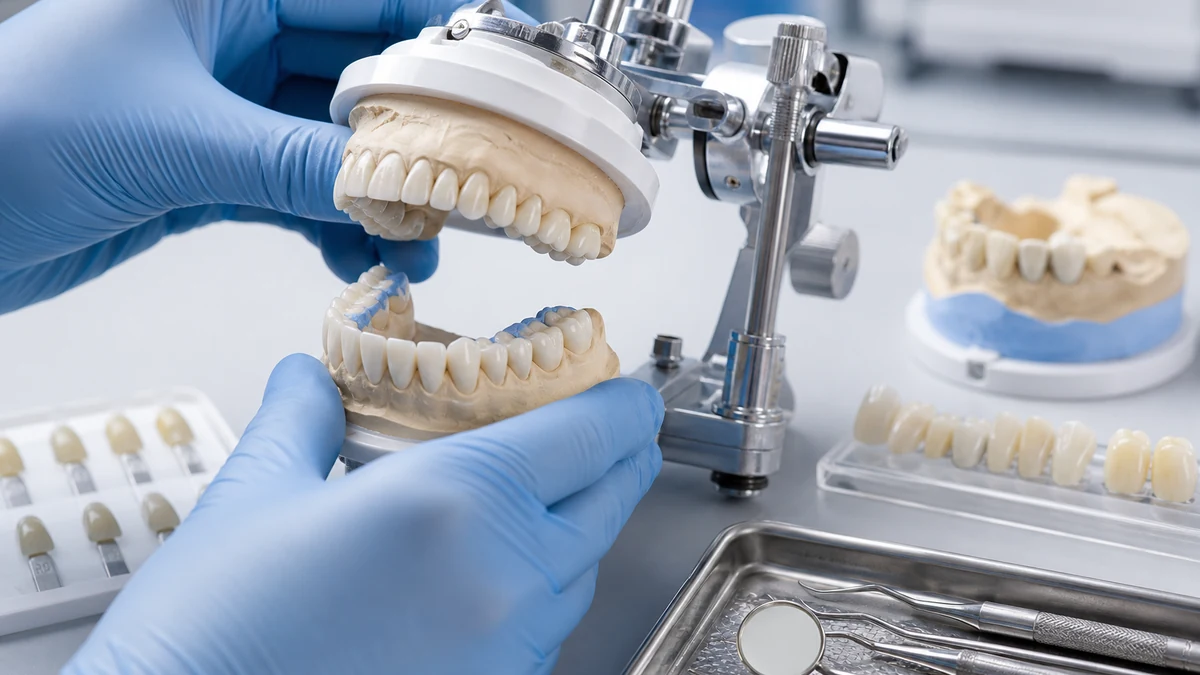
Full-mouth rehabilitation is the planned reconstruction of all the teeth in both jaws to restore function, comfort and appearance at the same time. Sometimes called full-mouth reconstruction or full-arch restoration, it combines several treatments (crowns, bridges, dental implants and occasionally orthodontics) into one coordinated plan. Patients seeking full-mouth rehabilitation in Turkey, particularly Istanbul, are usually dealing with a bite that has been worn down, broken or partially lost over many years, and want the whole mouth addressed together rather than tooth by tooth.
Unlike a single filling or one veneer, a full-mouth case treats the way the upper and lower teeth meet (the occlusion). The goal is a stable, balanced bite that protects the new restorations and the jaw joints for the long term.
What does full-mouth rehabilitation actually involve?
Full-mouth rehabilitation rebuilds every functional tooth surface across both arches using a combination of crowns, bridges, implants and onlays. It is not a single procedure but a sequenced plan that restores chewing, corrects the bite height and improves appearance, tailored to how much natural tooth structure remains.
The exact mix depends on what has gone wrong. A mouth damaged by severe grinding needs different work from one affected by gum disease, decay or old failing dentistry. Common building blocks include:
- Dental crowns to cap teeth that are heavily worn, cracked or extensively filled.
- Dental implants to replace teeth that are missing or beyond saving.
- Bridges to span gaps where implants are not suitable.
- Onlays and inlays to rebuild biting surfaces conservatively.
- Bite-raising work to restore lost vertical height when teeth have shortened over time.
For patients missing most or all of their teeth, a fixed full-arch solution such as All-on-4 implants in Turkey may form the foundation of the plan rather than crowning individual teeth.
Who is a candidate for full-mouth rehabilitation?
Good candidates have widespread damage across the mouth (severe wear, multiple failing restorations, extensive decay, or several missing teeth) alongside healthy enough gums and bone to support the new work. Anyone with active gum disease or untreated decay needs that stabilised first, so candidacy is confirmed only after a full assessment.
You may benefit from a comprehensive plan if you recognise several of the following:
- Teeth that look noticeably shorter than they used to, from grinding or acid erosion.
- Frequent chipping, cracking or loss of old crowns and fillings.
- Difficulty chewing comfortably, or avoiding certain foods.
- Several missing teeth, or a failing bridge or denture.
- Jaw, muscle or joint discomfort linked to an uneven bite.
Smokers, people with poorly controlled diabetes, and those with significant bone loss can still be treated in many cases, but these factors affect healing and may change which options are realistic. An oral and maxillofacial surgeon assesses bone quality, joint health and gum condition before any treatment is agreed.
How is the bite rebuilt, step by step?
The bite is rebuilt in a deliberate sequence: assessment and planning, stabilising the foundation, restoring the teeth, then fine-tuning the occlusion. This staged approach protects the result and lets the surgeon verify comfort and function before the final restorations are fitted.
- Full diagnosis. 3D scans, photographs and bite records map exactly what needs correcting and how the jaws relate.
- Treatment planning. A digital mock-up or wax model previews the new tooth shapes and bite height before anything is altered.
- Foundation work. Gum disease, decay and any hopeless teeth are addressed first. Implants are placed where teeth are missing, and bone grafting is carried out if needed.
- Healing and provisional teeth. Temporary crowns or bridges let you test the new bite, speech and appearance while implants integrate.
- Final restorations. Permanent crowns, bridges or implant-supported teeth are fitted once everything is stable.
- Bite refinement and review. The occlusion is adjusted and checked, and a night guard is usually provided to protect the work.
Because implants need time to fuse with bone, a full case typically unfolds over several months rather than a single trip, with planning designed to limit the number of visits.
What are the benefits of treating the whole mouth at once?
Treating the whole mouth together produces a balanced, predictable bite, because every tooth is designed to work as part of one system rather than being repaired in isolation. This usually means better chewing, a more even appearance and restorations that share the load evenly and last longer.
Key advantages include:
- A harmonious bite that distributes chewing forces across all the teeth.
- Improved comfort, with less strain on individual teeth and the jaw joints.
- A coordinated, natural-looking result rather than mismatched repairs done years apart.
- Restored ability to eat a normal range of foods with confidence.
- Long-term value, as a stable bite helps protect the investment over time.
A full-mouth plan treats the bite as a single working system, which is why a balanced occlusion does more to protect new crowns and implants than any single material choice.
Considerations and risks
Full-mouth rehabilitation is major dental work, and honest expectations matter. It is a significant commitment of time and budget, often spread across stages and visits. Because the bite is being changed, there is an adjustment period while the muscles and joints adapt to the new tooth height and position.
Realistic considerations include:
- Temporary sensitivity after crown preparation or implant surgery, which usually settles.
- An adjustment phase for speech and chewing while you get used to the new bite.
- Implant healing risks such as slower integration, which are higher for smokers and people with certain health conditions.
- Ongoing maintenance, including thorough hygiene, regular reviews and wearing a protective night guard if grinding caused the original damage.
- No absolute guarantees. Crowns and implants have high long-term success rates and can last many years with good care, but no restoration is permanent or risk-free.
A balanced plan names these trade-offs openly. If the underlying cause, such as heavy grinding, is not managed, even excellent restorations can wear or fail sooner than expected.
How much does full-mouth rehabilitation cost in Turkey?
Costs vary widely with the number of implants, crowns and any grafting involved, so figures are approximate and confirmed only after assessment. As a broad guide, a full-mouth plan in Turkey commonly ranges from around £4,000 to £12,000 or more, against substantially higher equivalent figures in the UK.
The table below gives indicative ranges only. Your own quote depends on how much treatment your case needs.
| Plan type | Approximate range (Turkey) | What it usually covers |
|---|---|---|
| Restorative (crowns and bridges) | £4,000–£8,000 | Rebuilding existing teeth, limited or no implants |
| Mixed (implants plus crowns) | £6,000–£12,000 | Several implants combined with crowns and bridges |
| Full-arch implant based | £8,000+ per arch | Fixed teeth on implants for an entire jaw |
These figures are approximate and vary by case. Turkey is generally far more affordable than the UK or US for comprehensive dentistry, which is a major reason patients travel, though the right plan always depends on clinical need rather than price alone. Where teeth are missing rather than damaged, it is worth comparing the full range of missing teeth replacement options before committing, and discussing how dental implants in Turkey fit into the wider plan.
Why patients choose Turkey for complex cases
Istanbul has become a recognised destination for complex restorative dentistry, combining experienced specialist teams with modern digital planning at accessible prices. For full-mouth cases, the value lies in coordinated care: a single team planning surgery, implants and restorations together, supported by 3D imaging and provisional teeth so you can preview the outcome before the final result is fitted.
At Seren Klinik, our specialist team approaches each full-mouth case as one integrated plan, prioritising a stable bite and honest, realistic expectations over quick fixes. A thorough consultation, including scans and a written treatment plan, is the proper starting point for any reconstruction.
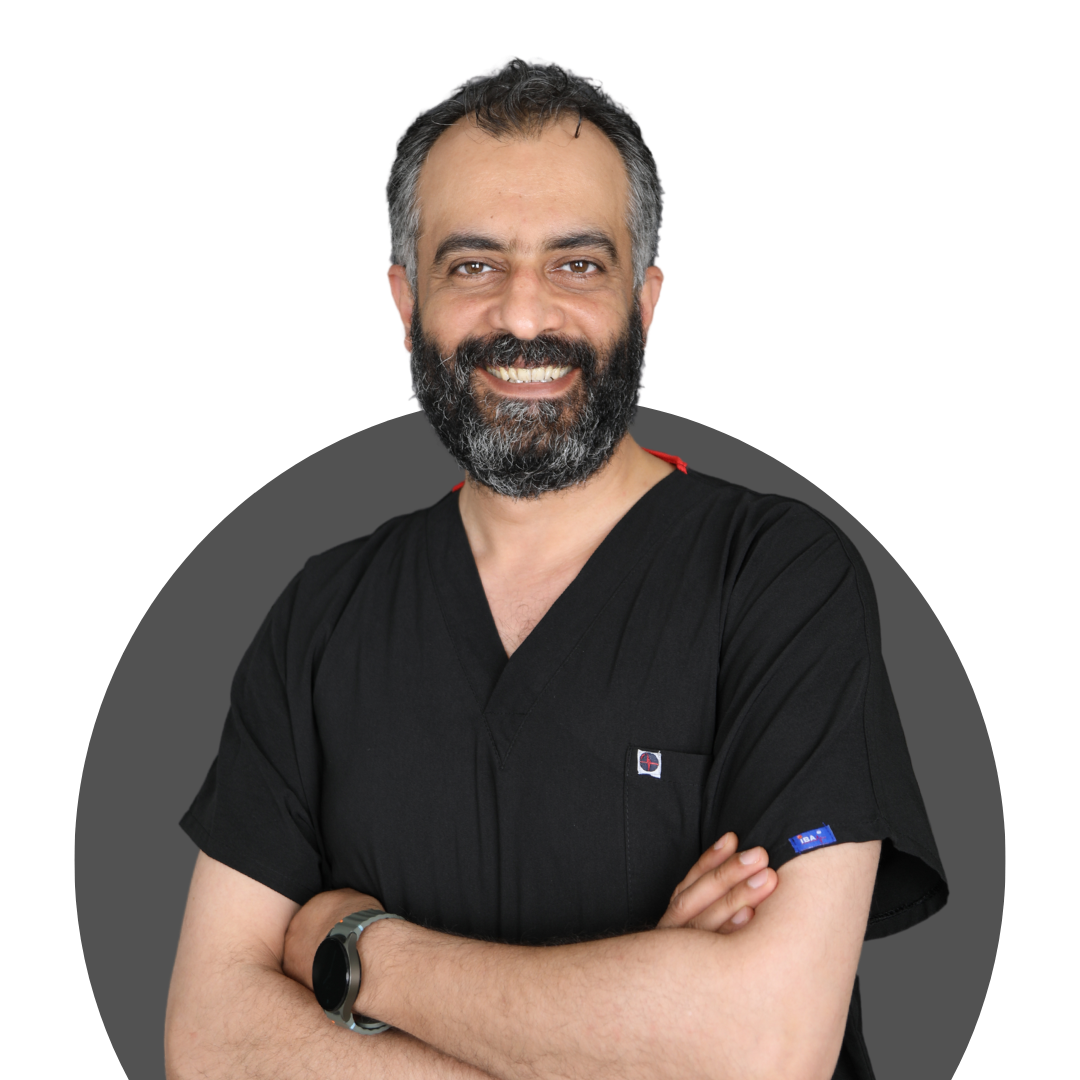
Mahir Yılmaz
Dr. Mahir Yılmaz graduated from Istanbul University Faculty of Dentistry. He has extensive academic knowledge and clinical experience in general and restorative dentistry. With many years of professional experience, Dr. …
View full profile →