
 English
  Turkce
  Deutsch
  Francais
  Russkij
  العربية
  Espanol
  Italiano
  Nederlands
  Balgarski
  Romana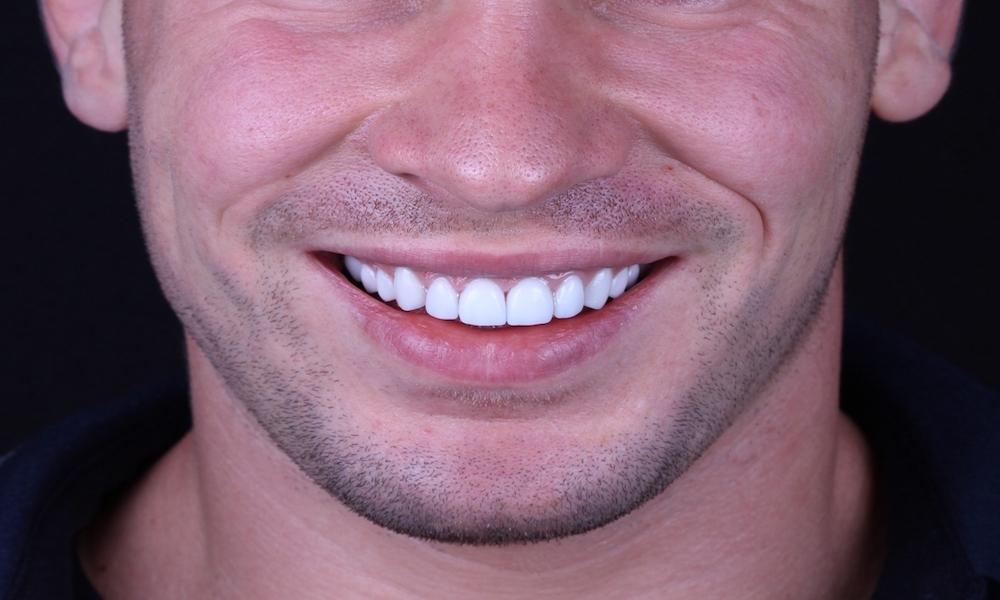
Dental veneers have become a popular solution for achieving a flawless smile, combining both aesthetics and functionality. These thin shells, custom-made to cover the front surface of teeth, can effectively address a variety of dental imperfections, including discoloration, chips, and gaps. With several types of dental veneers available, each offering unique benefits, it’s essential to understand how they work, the advantages they provide, and the process involved in getting them. In this guide, we will explore everything you need to know about dental veneers to help you make an informed decision for your smile enhancement.
What Are Dental Veneers and How Do They Work?
Dental veneers are thin shells made from porcelain or composite resin that cover the front surface of teeth. They are designed to improve the appearance of stained, chipped, or misaligned teeth, providing a beautiful and flawless smile.
Here’s How Dental Veneers Work:
- Personalization: Your dentist customizes each veneer according to your teeth's shape, size, and color. This ensures a natural look.
- Preparation: To fit the veneers, a thin layer of enamel may be removed from the tooth's surface. This step is crucial for achieving a seamless fit.
- Bonding: After preparing the tooth, the veneer is bonded using a special adhesive. A curing light may be used to harden the bond, ensuring longevity.
Benefits of Using Dental Veneers:
- Natural Appearance: Dental veneers mimic the look of natural teeth, enhancing your smile aesthetically.
- Stain Resistance: Porcelain veneers are more resistant to staining compared to the natural tooth enamel.
- Durable: With proper care, dental veneers can last between 10 to 15 years, making them a long-term solution for dental imperfections.
In summary, dental veneers offer an effective way to transform your smile, combining aesthetic appeal with functional benefits. By understanding their purpose and process, you can make informed decisions about enhancing your dental health.
Types of Dental Veneers Available
Dental veneers come in various materials, each offering unique benefits to cater to individual needs. Understanding the types can help you choose the best option for achieving that perfect smile. Here’s a quick overview:
| Type of Veneer | Material | Advantages | Disadvantages |
|---|---|---|---|
| Porcelain Veneers | High-quality ceramic | - Excellent aesthetics | - More expensive |
| - Stain-resistant | - Requires tooth reduction | ||
| - Durable and long-lasting | |||
| Composite Resin Veneers | Tooth-colored resin | - Cost-effective | - Less durable than porcelain |
| - Can be applied in one visit | - Catches stains more easily | ||
| Lumineers | Ultra-thin porcelain | - Minimal tooth reduction needed | - Pricier than composite |
| - Reversible process | - May lack the strength of thicker veneers | ||
| Temporary Veneers | Plastic or acrylic | - Quick application | - Not as durable |
| - Ideal for trial purposes | - Short-term solution |
When considering dental veneers, think about your lifestyle, budget, and desired results. Each type varies in durability and appearance, so consult your dentist to find the best match for your dental needs. A perfect smile is just a veneer away!
The Benefits of Choosing Dental Veneers
Choosing Dental Veneers offers numerous advantages that can significantly enhance both your smile and overall dental health. Here are some compelling benefits:
- Aesthetic Improvement: Dental veneers can mask imperfections such as chips, cracks, and discoloration, resulting in a beautifully aligned and natural-looking smile.
- Stain Resistance: Made from high-quality materials, many Dental Veneers resist stains better than natural teeth. This means your smile stays brighter and more vibrant longer.
- Durability: With proper care, dental veneers can last between 10 to 15 years, providing a long-term solution to smile enhancement.
- Minimal Tooth Preparation: Unlike crowns, Dental Veneers require minimal alteration of your natural teeth, preserving more of your tooth structure.
- Improved Confidence: A flawless smile can boost your self-esteem, encouraging you to express yourself more freely in social and professional settings.
- Quick Results: The veneer application process typically requires just a couple of visits, making it a relatively quick journey to your new smile.
Comparison Table: Benefits Overview
| Benefit | Dental Veneers | Standard Whitening |
|---|---|---|
| Aesthetic Improvement | ✔️ | ✔️ |
| Stain Resistance | ✔️ | ✖️ |
| Durability (Years) | 10-15 | 1-3 |
| Tooth Structure Preservation | ✔️ | ✖️ |
| Confidence Boost | ✔️ | ✔️ |
In summary, Dental Veneers are a valuable investment in your smile by offering lasting results and numerous benefits that enhance both aesthetics and confidence.
The Process of Getting Dental Veneers
Getting Dental Veneers involves several key steps, ensuring a personalized approach to achieving your perfect smile. Here’s a breakdown of the typical process:
- Initial Consultation
- Schedule a meeting with your dentist to discuss your goals.
- Evaluate your oral health and determine if you're a suitable candidate.
- Treatment Planning
- Your dentist will create a comprehensive treatment plan, outlining the details and customizations needed.
- They may take X-rays or photographs to map out the design of your Dental Veneers.
- Tooth Preparation
- During the next visit, the dentist will prepare your teeth. This may involve:
- Removing a thin layer of enamel from the surface for a natural fit.
- Impressions taken to create custom veneers.
- During the next visit, the dentist will prepare your teeth. This may involve:
- Temporary Veneers
- While waiting for your permanent veneers, temporary ones may be placed to protect your teeth and enhance your appearance.
- Fitting and Bonding
- Once your custom Dental Veneers are ready, you will return for fitting.
- The dentist will place the veneers and check for proper alignment, making any necessary adjustments before bonding them with dental cement.
- Final Adjustments
- After bonding, your dentist will polish the veneers and ensure that your bite feels normal.
By following these steps diligently, you can achieve a flawless smile with Dental Veneers that enhances your confidence and look!
Aftercare and Maintenance for Your Veneers
Proper aftercare and maintenance are crucial to extend the lifespan of your dental veneers and keep your smile flawless. Below are essential tips for maintaining your dental veneers:
- Daily Oral Hygiene: Brush your teeth twice daily with a non-abrasive toothpaste. Floss daily to remove plaque and food particles between your teeth and around the veneers.
- Regular Dental Check-ups: Schedule professional cleanings and check-ups every six months. Your dentist can monitor the condition of your dental veneers and address any issues promptly.
- Avoid Staining Foods and Drinks: Limit consumption of staining agents like coffee, red wine, and dark berries. If you indulge, rinse your mouth with water afterward to minimize discoloration.
- Use a Soft-Bristled Toothbrush: A soft-bristled toothbrush helps prevent damage to the veneer surface. Avoid hard or abrasive brushes that can wear down the finish.
- Wear a Mouthguard: If you grind your teeth at night or play contact sports, a mouthguard can protect your dental veneers from damage.
Comparison of Aftercare Practices
| Practice | Recommended Frequency | Importance |
|---|---|---|
| Brushing | Twice daily | Removes plaque, prevents decay |
| Flossing | Daily | Cleans between teeth and veneers |
| Dental check-ups | Every six months | Professional assessment and cleaning |
| Avoiding staining foods | As necessary | Maintains veneer appearance |
By following these tips, your dental veneers will not only remain stunning but will also support your overall oral health.

Berkan Tik
Dentist Berkan Tik graduated from Istanbul University Faculty of Dentistry. He has worked in various clinics focusing on implantology, prosthetic dental treatments, aesthetic dentistry, and digital dentistry applications…
View full profile →