
 English
  Turkce
  Deutsch
  Francais
  Russkij
  العربية
  Espanol
  Italiano
  Nederlands
  Balgarski
  Romana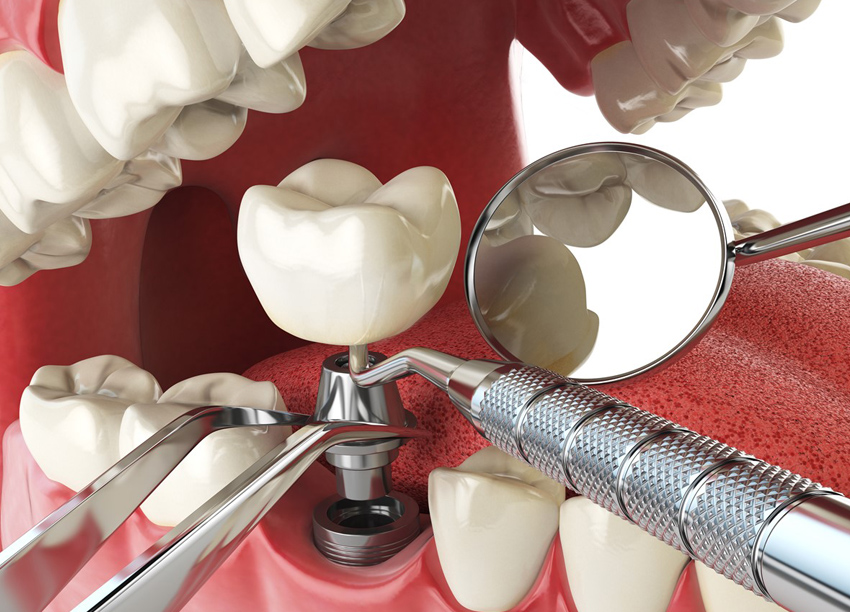
Dental implants have transformed the way we approach tooth replacement, blending functionality with aesthetics. For those considering this dental solution, understanding the costs, benefits, and care involved is essential. Unlike traditional dentures, dental implants offer a permanent option that can improve your smile and overall oral health. However, potential risks and considerations must also be addressed. This comprehensive guide will provide you with everything you need to know about dental implants, ensuring you make informed decisions for your dental health.
Understanding Dental Implants: What They Are and How They Work
Dental implants serve as a reliable solution for replacing missing teeth. Essentially, they consist of three key components: a titanium post, an abutment, and a crown. Here's how they work:
- Titanium Post: This is surgically placed into your jawbone, acting like a tooth root. Titanium is biocompatible, which means it fuses with the bone over time through a process known as osseointegration. This stability offers a strong foundation for the artificial tooth.
- Abutment: Once the post integrates with the bone—typically over several months—the abutment is attached to the post. This component connects the implant to the crown, securing it in place.
- Crown: Finally, the crown, which is custom-made to match your natural teeth, is placed on the abutment. It restores both function and aesthetics to your smile.
Key Advantages of Dental Implants:
- Durability: With proper care, dental implants can last a lifetime.
- Natural Look and Feel: They closely replicate the appearance of natural teeth.
- Bone Preservation: Implants help maintain jawbone density, preventing deterioration that often occurs with tooth loss.
In summary, dental implants provide a functional and aesthetic solution for missing teeth while offering long-term benefits. Understanding their structure and functionality is essential for those considering this dental option.
The Costs Associated with Dental Implants
When considering Dental Implants, understanding the associated costs is crucial for making an informed decision. The total cost of dental implants can vary significantly based on several factors.
Key Cost Factors
- Location: Different regions may have varying prices due to local economic conditions.
- Dental Professional's Expertise: Highly experienced dentists may charge more for their specialized skills.
- Implant Material: Various materials such as titanium or zirconia affect the overall cost.
- Additional Procedures: Some patients may require bone grafts or sinus lifts, adding to the expense.
Investing in Dental Implants not only restores functionality but also enhances visual appeal, making them a worthy consideration. Understanding the costs associated with Dental Implants can help you plan effectively.
The Benefits of Choosing Dental Implants
Dental implants offer numerous advantages for individuals seeking to restore their smiles and improve oral function. Understanding these benefits can help you make an informed decision.
Durability and Longevity
- Strength: Dental implants are made from titanium, providing high strength and resistance.
- Lifespan: With proper care, they can last 10 to 15 years, often longer than other tooth replacement options.
Natural Appearance
- Realistic Look: Dental implants mimic the natural structure of teeth, enhancing aesthetics.
- Custom Fit: They can be designed to match the color and shape of your existing teeth, ensuring a seamless smile.
Improved Oral Function
- Better Chewing: Unlike dentures, dental implants allow for more efficient chewing, making it easier to enjoy a variety of foods.
- Bone Preservation: They stimulate the jawbone like natural teeth, preventing bone loss and preserving facial structure.
Enhanced Comfort
- Secure Fit: As implants fuse with the jawbone, they eliminate the discomfort associated with removable dentures.
- No Slippage: Unlike traditional dentures, dental implants won't shift or click when speaking or eating.
Boosted Confidence
- Smile with Pride: With a complete and natural-looking smile, you can feel more confident in social situations.
- Reduced Self-Consciousness: Dental implants alleviate worries about dislodged dentures, allowing for enjoyable interactions.
Considering these benefits, dental implants provide a reliable and appealing solution to tooth loss.
Caring for Your Dental Implants
Caring for your Dental Implants is essential to ensure their longevity and maintain oral health. While Dental Implants can function like natural teeth, they still require proper attention. Here are key tips to help you care for your Dental Implants effectively:
- Practice Good Oral Hygiene:
- Brush your teeth at least twice a day using a soft-bristled toothbrush.
- Floss daily to remove plaque and food particles from around the implant and gum line.
- Use Antimicrobial Mouthwash:
- Rinse with a mouthwash that targets bacteria without being overly harsh on your gums.
- Regular Dental Check-Ups:
- Schedule check-ups every six months to monitor your implant's condition and overall oral health.
- Avoid Hard Foods:
- Refrain from chewing ice or hard candies which can damage both natural teeth and Dental Implants.
- Quit Smoking:
- Smoking can hinder healing and increase the risk of complications, making it crucial to quit.
Maintenance Comparison:
| Care Routine | Dental Implants | Natural Teeth |
|---|---|---|
| Daily Brushing | Required | Required |
| Daily Flossing | Required | Required |
| Professional Cleanings | Recommended every 6 months | Recommended every 6 months |
| Avoiding Certain Foods | Important to prevent damage | Important to prevent damage |
| Risk of Decay | No decay but still at risk for infection | Prone to cavities |
By following these guidelines, you can help ensure your Dental Implants last for years to come, maintaining both function and aesthetic!
Potential Risks and Considerations of Dental Implants
While dental implants offer numerous benefits, it is essential to consider the potential risks involved. Understanding these risks can help you make an informed decision. Here are some key considerations:
- Infection: Like any surgical procedure, there's a risk of infection at the implant site. Following your dentist’s aftercare advice is crucial to minimize this risk.
- Nerve Damage: In some cases, the implant can affect nearby nerves, leading to pain or numbness. Ensure that a skilled professional performs the procedure to reduce this likelihood.
- Sinus Issues: For implants placed in the upper jaw, sinus complications can occur if the implant protrudes into the sinus cavity. Discuss your dental anatomy with your implant dentist beforehand.
- Implant Failure: Though uncommonly, dental implants can fail due to factors such as insufficient bone density or improper placement. Make sure to have a thorough evaluation before proceeding.
- Cost Considerations: Dental implants can be a significant investment. Always weigh their long-term benefits against the upfront costs and discuss financing options.
Considering these factors allows for a balanced perspective on dental implants. Ensure you engage in a detailed discussion with your dental professional to address any concerns and outline a treatment plan tailored to your needs.

Parvin Safaraliyev
Dr. Parvin Safaraliyev graduated from Istanbul University Faculty of Dentistry. She specializes in oral and maxillofacial surgery, combining advanced surgical techniques with comprehensive patient care. She integrates th…
View full profile →