
 English
  Turkce
  Deutsch
  Francais
  Russkij
  العربية
  Espanol
  Italiano
  Nederlands
  Balgarski
  Romana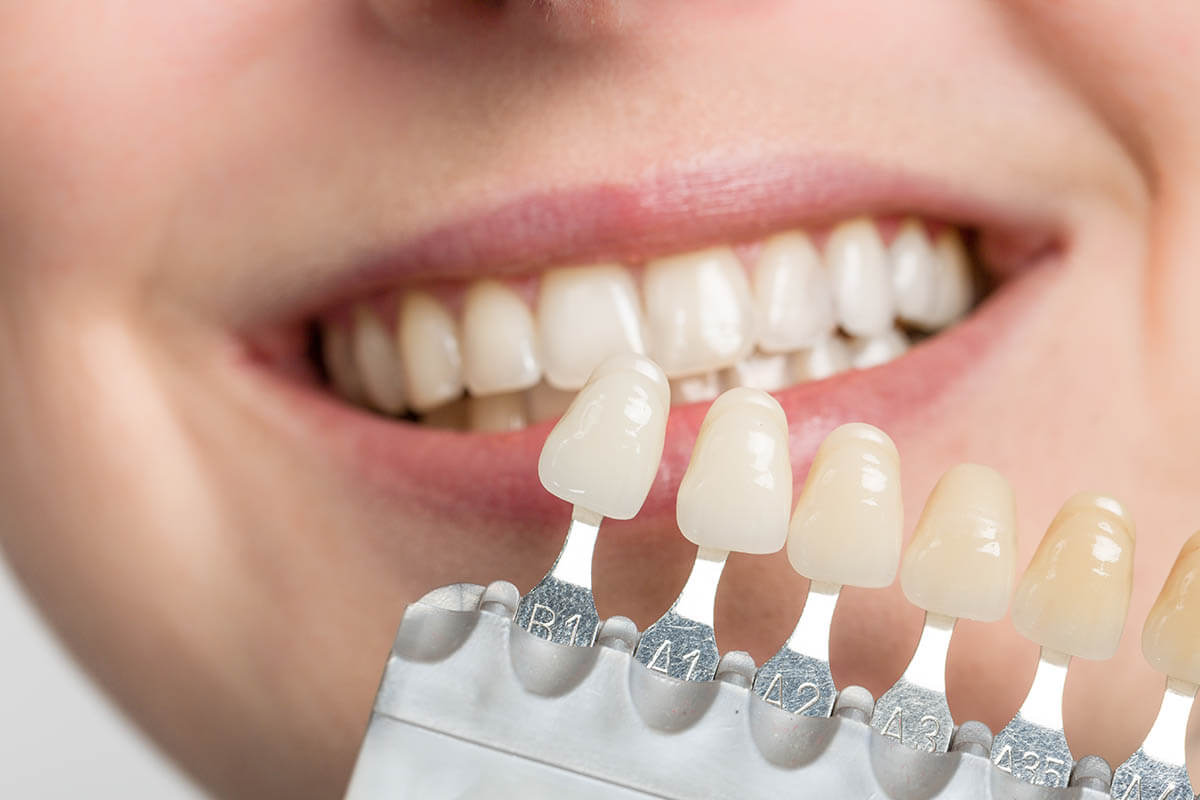
Dental veneers have become increasingly popular for those seeking to enhance their smiles and achieve a flawless appearance. These thin shells of porcelain or composite resin are custom-made to cover the front surface of teeth, providing a stunning aesthetic transformation. However, their allure goes beyond mere beauty; understanding the secrets behind dental veneers can also reveal essential care tips for maintaining their longevity. In this post, we will explore the benefits, types, and common misconceptions surrounding dental veneers, ensuring you are well-equipped to make informed decisions about your smile.
What are Dental Veneers and How Do They Work?
Dental veneers are thin shells made primarily from porcelain or composite resin designed to cover the front surface of teeth. These fixtures serve both aesthetic and functional purposes, offering a solution for various dental imperfections. Here’s how dental veneers work:
- Customization: Dental professionals create tailored veneers to match the color, shape, and texture of your existing teeth, ensuring a natural appearance.
- Adhesive Bonding: Once prepared, these veneers are affixed to the teeth using a strong dental adhesive. This bond ensures that they stay securely in place for many years.
- Durability: Porcelain veneers are particularly resistant to staining, making them an excellent choice for those seeking long-lasting beauty. While composite veneers may not last as long, they are easily repairable.
Key Benefits of Dental Veneers:
- Improved Aesthetics: They can enhance the shape, color, and alignment of teeth, contributing to a brighter smile.
- Conceal Imperfections: Dental veneers effectively hide chips, cracks, and gaps in teeth.
- Minimally Invasive: The procedure often requires minimal alteration of the tooth structure, preserving most of the natural tooth.
Overall, dental veneers represent a versatile option for anyone looking to enhance their smile while maintaining the integrity of their natural teeth.
The Aesthetic Benefits of Dental Veneers
Dental veneers offer a transformative solution for those seeking a beautiful smile. These customized shells bond to the front surface of teeth, providing various aesthetic advantages that enhance both appearance and confidence. Here are some key benefits of dental veneers:
- Whitening Capability: Dental veneers can mask discoloration more effectively than traditional whitening methods, offering a long-lasting, brighter smile.
- Natural Look: Crafted from materials that mimic the translucence of natural teeth, dental veneers deliver a realistic appearance, making them virtually indistinguishable from your own teeth.
- Correction of Imperfections: They effectively address issues such as chips, cracks, and uneven spacing, creating a harmonious and visually appealing smile.
- Durability: High-quality dental veneers resist staining and maintain their aesthetics for years, making them a practical investment with minimal upkeep.
- Minimal Enamel Removal: Unlike crowns, dental veneers require minimal alteration of the natural tooth, preserving tooth structure while enhancing beauty.
In summary, dental veneers provide a comprehensive solution for various cosmetic concerns, allowing individuals to achieve their desired look with confidence. Their versatility and natural appearance make them a popular choice among those looking to enhance their smile.
Understanding the Different Types of Veneers
Dental veneers are a popular cosmetic dental solution that can dramatically enhance your smile. However, not all veneers are created equal. Below, we explore the different types of dental veneers available, enabling you to make an informed decision.
1. Porcelain Veneers
- Material: Made from high-quality porcelain.
- Lifespan: Typically last 10-15 years with proper care.
- Advantages:
- Highly resistant to staining.
- Natural appearance, mimicking the light-reflecting properties of teeth.
- Disadvantages:
- More expensive than other options.
- Require some enamel removal for application.
2. Composite Resin Veneers
- Material: Made from tooth-colored resin.
- Lifespan: Generally last 5-7 years.
- Advantages:
- Cost-effective solution.
- Can often be applied in a single visit.
- Disadvantages:
- Prone to staining and wear over time.
3. Lumineers
- Material: Ultra-thin porcelain.
- Lifespan: Lasts up to 20 years with proper maintenance.
- Advantages:
- Minimal tooth preparation required.
- Reversible option for patients.
- Disadvantages:
- May not be suitable for severe discoloration or misalignment.
In conclusion, understanding the different types of dental veneers helps you select the best option for your needs, enhancing both your appearance and dental health.
Essential Care Tips for Maintaining Your Veneers
Maintaining your dental veneers is crucial for ensuring their longevity and aesthetic appeal. Here are some essential care tips:
- Regular Brushing and Flossing:
- Brush your teeth at least twice a day using a non-abrasive toothpaste.
- Floss daily to prevent plaque buildup around your veneers.
- Avoid Hard and Sticky Foods:
- Stay clear of hard candies and nuts, as they can chip your veneers.
- Avoid chewing ice or opening packages with your teeth.
- Limit Staining Foods and Beverages:
- Reduce your intake of coffee, tea, red wine, and other staining substances. If consumed, rinse your mouth with water afterward.
- Routine Dental Check-ups:
- Schedule regular visits to your dentist for check-ups and professional cleaning. They can monitor your veneers and address any issues early.
- Use a Mouthguard:
- If you grind your teeth at night, wear a mouthguard to protect your dental veneers from unnecessary wear.
- Be Mindful of Oral Hygiene Products:
- Choose products targeted for sensitive teeth and maintain a gentle approach to your dental care routine.
Following these care tips will help you maintain the beauty and function of your dental veneers, ensuring they stay in excellent condition for years to come.
Common Questions and Misconceptions about Dental Veneers
Dental veneers often come with a fair share of questions and misconceptions. Understanding these can help you make an informed decision about whether they're right for you. Here are some common queries:
- Are Dental Veneers Permanent?
While dental veneers are designed for longevity, they are not permanent. Typically, they last between 5 to 15 years, depending on the type of material used and how well you care for them. - Do Dental Veneers Look Natural?
Yes! Dental veneers are crafted to match the color and shape of your natural teeth. They can enhance your smile while maintaining a realistic appearance. - Will Getting Veneers Hurt?
Most patients experience minimal discomfort during the veneer application process. Dentists often use local anesthesia to ensure a pain-free experience. - Can I Whiten Dental Veneers?
Unfortunately, dental veneers do not respond to whitening treatments like natural teeth do. If discoloration occurs, replacement may be necessary. - Are Dental Veneers Suitable for Everyone?
Not always. Individuals with severe tooth decay or gum disease may not be ideal candidates for dental veneers. A thorough consultation with a dental professional is essential.
By addressing these common questions, you can alleviate concerns and gain confidence in your decision to enhance your smile with dental veneers.

Berkan Tik
Dentist Berkan Tik graduated from Istanbul University Faculty of Dentistry. He has worked in various clinics focusing on implantology, prosthetic dental treatments, aesthetic dentistry, and digital dentistry applications…
View full profile →