
 English
  Turkce
  Deutsch
  Francais
  Russkij
  العربية
  Espanol
  Italiano
  Nederlands
  Balgarski
  Romana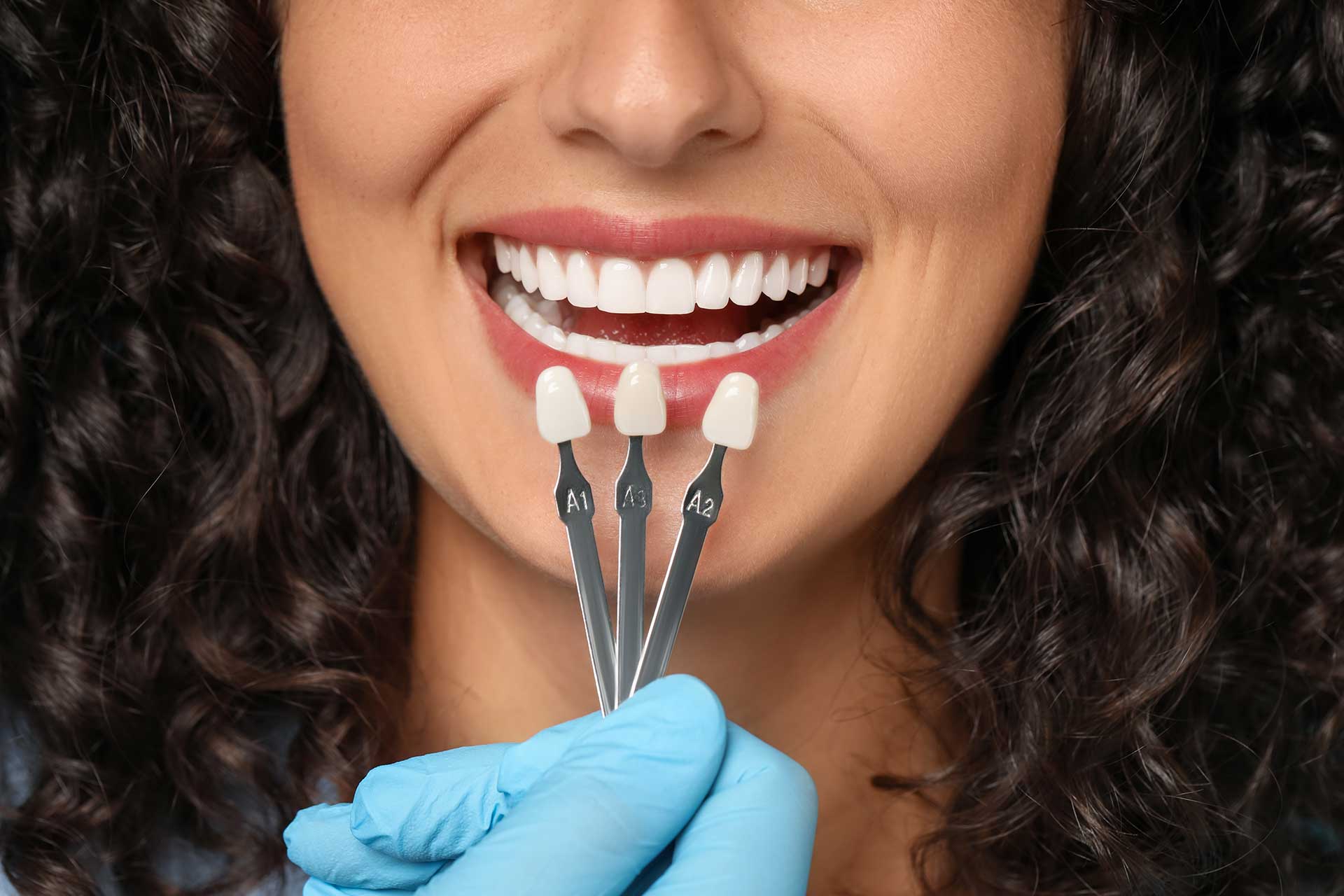
Dental veneers are an increasingly popular cosmetic dentistry option that can dramatically enhance your smile. This procedure involves the application of thin shells of porcelain or composite resin to the front surface of teeth, effectively transforming their appearance. In this comprehensive look at the dental veneers procedure, we will explore the types of veneers available, outline the step-by-step process, and discuss post-procedure care and the myriad benefits to help you decide if this treatment is right for you.
Understanding Dental Veneers: An Overview
Dental veneers are thin, custom-made shells that cover the front surface of teeth to improve their appearance. Made from porcelain or composite resin, these veneers provide an effective solution for a variety of dental issues, such as discoloration, chips, and slight misalignment.
Key Features of Dental Veneers:
- Aesthetic Improvement: Dental veneers can significantly enhance your smile by providing a natural tooth appearance and enhancing color and shape.
- Longevity: With proper care, dental veneers can last 10 to 15 years, making them a durable option.
- Minimally Invasive: The procedure typically requires little alteration to the original tooth structure, preserving as much of the natural tooth as possible.
In summary, dental veneers offer a cosmetic enhancement for those seeking to improve their smiles. They effectively address various aesthetic concerns while providing a durable solution. If you consider this procedure, consult with a dental professional to discuss the best options for your unique needs.
The Different Types of Dental Veneers
When considering dental veneers, it's essential to understand the various types available, as each offers unique benefits and characteristics. Here’s a breakdown of the most common types:
- Porcelain Veneers
- Aesthetic Appeal: Mimics natural tooth enamel, providing a lifelike appearance.
- Durability: Resistant to stains and general wear.
- Longevity: Typically last 10 to 15 years with proper care.
- Composite Resin Veneers
- Cost-Effective: Generally less expensive than porcelain options.
- Customizable: Can be molded and shaped directly on the teeth.
- Shorter Lifespan: Generally last 5 to 7 years and are more susceptible to staining.
- Lumineers
- Minimally Invasive: Require little to no tooth reduction, preserving more of the natural tooth structure.
- Thin Profile: Made from a special type of porcelain, they are ultra-thin yet strong.
- Reversibility: Can be removed without damaging the underlying tooth.
Choosing the right type of dental veneers will depend on factors such as budget, desired longevity, and the extent of cosmetic changes needed. Consulting with a dental professional can help guide your decision for the best outcome.
The Dental Veneers Procedure Step-by-Step
Getting Dental Veneers involves several steps to ensure a perfect fit and natural appearance. Here’s a breakdown of the procedure:
- Consultation and Assessment
- Discuss your goals with the dentist.
- The dentist examines your teeth and takes X-rays.
- An appropriate treatment plan is developed.
- Preparation of the Teeth
- The dentist removes a thin layer of enamel from the front of your teeth to accommodate the veneers.
- This process typically requires local anesthesia for comfort.
- Impressions and Color Selection
- The dentist takes impressions of your prepared teeth, creating a mold.
- Choose the shade that best matches your natural teeth for a seamless look.
- Fabrication of Veneers
- Dental technicians customize the Dental Veneers based on your impressions.
- This process can take a few days to a couple of weeks.
- Placement of Temporary Veneers
- Temporary veneers may be placed to protect your teeth while waiting for the permanent ones.
- Final Placement
- Once your custom veneers are ready, the dentist checks the fit and color.
- Permanent cement bonds the veneers to your teeth, ensuring durability.
- Post-Procedure Evaluation
- Follow-up appointments ensure proper alignment and adjustment if needed.
Understanding each step of the Dental Veneers procedure helps in setting realistic expectations and assures a beautiful smile.
Post-Procedure Care and Maintenance
After undergoing the Dental Veneers procedure, proper care and maintenance is essential to ensure the longevity and effectiveness of your new smile. Here are vital tips for post-procedure care:
- Avoid Staining Foods: Stay away from foods that can stain your veneers, such as coffee, tea, red wine, and dark berries, particularly in the first few days after application.
- Maintain Oral Hygiene: Brush your teeth at least twice a day with a non-abrasive toothpaste. Regular flossing is equally important to prevent plaque buildup.
- Use a Soft-Bristled Toothbrush: This helps protect the surface of your Dental Veneers and your natural teeth.
- Limit Hard Foods: Chewing on hard substances, like ice or hard candies, can chip or crack your veneers. Opt for softer food options.
- Regular Dental Check-Ups: Schedule routine visits with your dentist to monitor your veneers and overall oral health.
- Wear a Mouthguard if Necessary: If you grind your teeth (bruxism), wearing a mouthguard at night can prevent damage to your Dental Veneers.
In summary, taking these steps will help maintain the appearance and function of your Dental Veneers. Following these guidelines will ensure that your investment in your smile lasts for years to come.
Benefits and Considerations of Getting Dental Veneers
Dental veneers offer numerous benefits, making them a popular choice for those seeking to enhance their smiles. However, it’s also essential to consider some factors before committing to the procedure.
Benefits of Dental Veneers
- Aesthetic Improvement: Dental veneers can dramatically improve the appearance of discolored, chipped, or uneven teeth, resulting in a more radiant smile.
- Durability: Made from strong materials, such as porcelain or composite resin, dental veneers typically last 10-15 years with proper care.
- Minimal Tooth Reduction: The procedure often requires minimal alteration of the natural tooth structure compared to crowns or other restorative options.
- Stain Resistance: Porcelain veneers, in particular, resist stains from coffee, tea, and smoking, maintaining their bright appearance over time.
Considerations Before Getting Dental Veneers
- Cost: Dental veneers can be expensive, with prices ranging from $900 to $2,500 per tooth, and not all insurance plans cover them.
- Irreversibility: Since enamel is usually removed to place veneers, the process is permanent, making it crucial to consider long-term implications.
- Sensitivity: After the procedure, some individuals may experience increased tooth sensitivity, which typically subsides over time.
In conclusion, while dental veneers present a fantastic opportunity for dental enhancement, weighing the benefits against the considerations is essential for making an informed decision.

Berkan Tik
Dentist Berkan Tik graduated from Istanbul University Faculty of Dentistry. He has worked in various clinics focusing on implantology, prosthetic dental treatments, aesthetic dentistry, and digital dentistry applications…
View full profile →