 English
  Turkce
  Deutsch
  Francais
  Russkij
  العربية
  Espanol
  Italiano
  Nederlands
  Balgarski
  Romana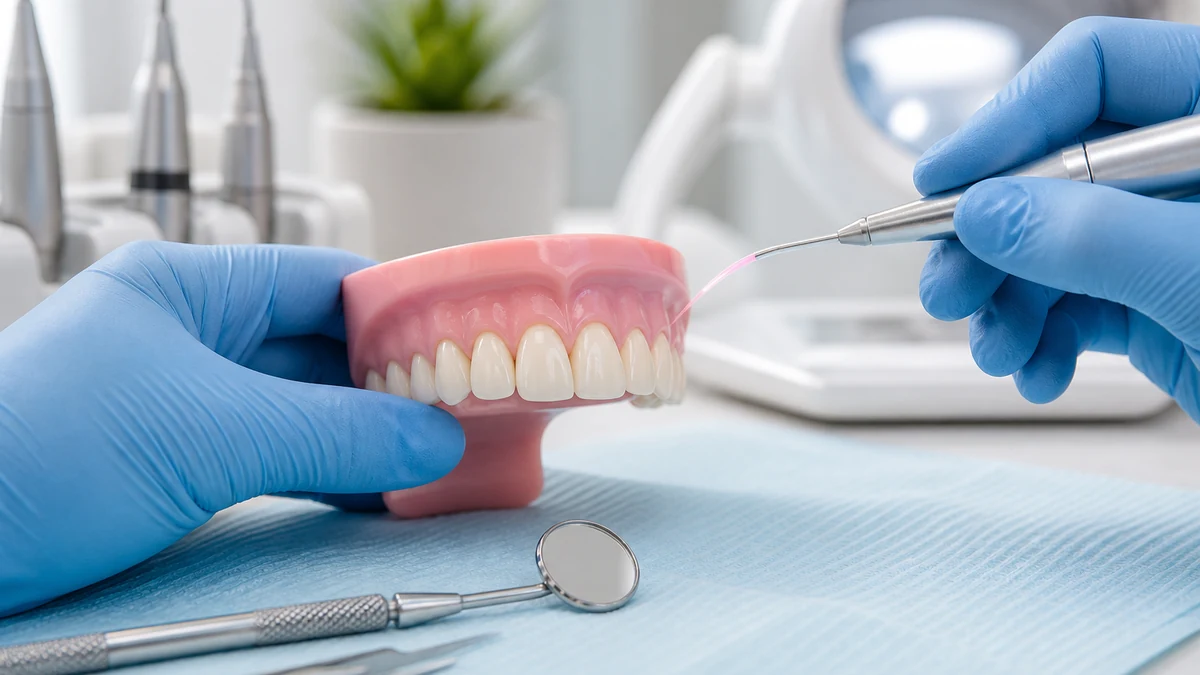
If too much gum shows when you smile, or your gum line looks uneven, gum contouring is the treatment that reshapes it for a more balanced smile line. Gum contouring, also called gum reshaping or a gingivectomy, gently removes or recontours a thin band of gum tissue to reveal more of each tooth and even out the edges. It is a quick cosmetic dental procedure, often done with a laser under local anaesthetic, and in Istanbul, Turkey, it is widely available at a fraction of UK or US prices. This guide explains what gum contouring is, who it suits, how it is done, what it costs, and the honest considerations to weigh before you book.
What is gum contouring?
Gum contouring is a cosmetic dental procedure that reshapes the gum line by removing or recontouring excess gum tissue, so the teeth look longer, more even and better proportioned. It is also known as gum reshaping, gingival sculpting or a gingivectomy when tissue is removed for cosmetic reasons.
The aim is harmony between your gums, teeth and lips rather than a fixed measurement. Most smiles look balanced when only a slim band of gum is visible above the upper teeth and the gum line follows a gentle, symmetrical curve. Where the gums sit low, look bulky, or rise and fall unevenly from tooth to tooth, reshaping can restore that proportion. In some cases it is combined with deeper work called crown lengthening, where a small amount of bone is also adjusted so the result stays stable over time.
Who is a good candidate for gum reshaping?
A good candidate for gum reshaping has healthy gums and enough tooth structure under the gum line, plus a cosmetic concern such as a gummy smile, an uneven gum line, or teeth that look short. Active gum disease usually needs treating first, before any cosmetic reshaping is considered.
Gum contouring tends to suit people in the following situations:
- An uneven gum line. When the gums rise and fall inconsistently across the front teeth, reshaping can level them into a smoother curve.
- A mild gummy smile. Where excess tissue is the main reason too much gum shows, contouring exposes more of each tooth.
- Short-looking teeth. If the gums cover too much of the crowns, reshaping can make teeth appear longer and more proportionate.
- Before veneers or crowns. Levelling the gums first helps a restorative dentist create even, natural-looking results.
It is less suitable when the real cause lies elsewhere, for example a hyperactive upper lip or a skeletal jaw issue, which need different treatments. Healthy gums and good oral hygiene are important, as is being a non-smoker or willing to pause smoking around the procedure, since smoking slows healing. A consultation with photographs is the only reliable way to confirm whether you are a candidate.
How does the gum contouring procedure work?
The gum contouring procedure works by numbing the area with local anaesthetic, then using a dental laser or a fine surgical instrument to trim and reshape the gum line to a planned, symmetrical contour. It is usually completed in a single appointment lasting roughly thirty minutes to an hour.
A typical visit follows these stages:
- Assessment and planning. The dentist examines your gums and teeth, takes photographs, and marks the new gum line, often using a digital preview so you can agree the design first.
- Anaesthetic. The gums are numbed with a local anaesthetic, so the procedure itself is not painful.
- Reshaping. A soft-tissue laser or scalpel removes the marked excess tissue and sculpts the edges. Lasers can seal blood vessels as they work, which limits bleeding and can aid healing.
- Crown lengthening if needed. Where bone sits too high, a little is recontoured so the gum line will stay stable rather than creeping back.
- Healing and review. The gums settle over the following days, with a check-up to confirm the result has matured as planned.
Recovery is generally straightforward. Mild soreness, tenderness or minor swelling for a few days is normal, eased by soft foods and any aftercare your dentist advises. Most people return to routine activities quickly, though gums can take a couple of weeks to fully settle into their final shape.
What are the benefits of gum contouring?
The benefits of gum contouring are a more even, proportionate smile line, teeth that look longer and less gummy, and a quick, minimally invasive treatment with lasting results when the gums are healthy. It can be done alone or as one step within a wider smile design.
The main advantages include:
- Balance and symmetry. A level, gently curved gum line frames the teeth more attractively.
- A fast procedure. Treatment is usually completed in one visit under local anaesthetic.
- Minimally invasive. Only a thin band of tissue is reshaped, and laser techniques can reduce bleeding and discomfort.
- Long-lasting results. When gums are healthy and oral hygiene is good, the new contour tends to hold well, particularly if bone was adjusted where needed.
- A foundation for other work. Reshaping is often the groundwork for veneers, crowns or a full smile makeover in Turkey, helping the final restorations look natural.
For smile-focused cases, contouring pairs naturally with cosmetic dentistry. Our guide to combining treatments in a smile makeover explains how gum work fits alongside veneers and whitening.
Is gum contouring safe, and what are the risks?
Gum contouring is generally safe when performed by a qualified dentist after proper assessment, though, like any procedure, it carries some risks. Temporary sensitivity, soreness and minor swelling are common, and removing too much tissue or treating active gum disease can cause problems, which is why diagnosis matters.
It helps to go in with a balanced view of the limits:
- Short-term effects. Mild discomfort, tenderness and brief sensitivity to hot or cold are usual as the gums heal.
- Gum recession. Removing too much tissue can expose tooth roots, so a conservative, well-planned approach is essential.
- Uneven healing or relapse. Occasionally the gum line settles slightly differently than planned and may need a small revision, and contouring without addressing high bone can partly rebound.
- Underlying conditions. Untreated gum disease must be stabilised first, as reshaping inflamed gums risks poor healing.
As with any cosmetic dental work, the outcome depends far more on careful case selection and the clinician's skill than on the technique alone. A consultation that honestly names these risks, alongside good aftercare and a follow-up review, is the best safeguard for a result you are pleased with.
How much does gum contouring cost in Turkey?
The cost of gum contouring in Turkey varies by case, but it is among the more affordable cosmetic gum treatments and typically far cheaper than in the UK or US. Price depends on how many teeth are treated and whether crown lengthening is involved, so a personal quote always reflects your specific plan.
As an approximate and evergreen guide, gum contouring in Turkey often falls somewhere around £150 to £400 per arch, with smaller single-area work at the lower end and more involved crown lengthening priced higher. Turkey's lower running costs make quality care more accessible, while reputable clinics still use the same modern lasers and techniques found elsewhere. Because reshaping is frequently part of a larger plan, ask for a written, itemised quote so you can see exactly what is included and how it sits within any wider smile treatment. For gummy-smile cases specifically, our overview of gummy smile treatment options sets out how contouring compares with the alternatives.

Berkan Tik
Dentist Berkan Tik graduated from Istanbul University Faculty of Dentistry. He has worked in various clinics focusing on implantology, prosthetic dental treatments, aesthetic dentistry, and digital dentistry applications…
View full profile →