
 English
  Turkce
  Deutsch
  Francais
  Russkij
  العربية
  Espanol
  Italiano
  Nederlands
  Balgarski
  Romana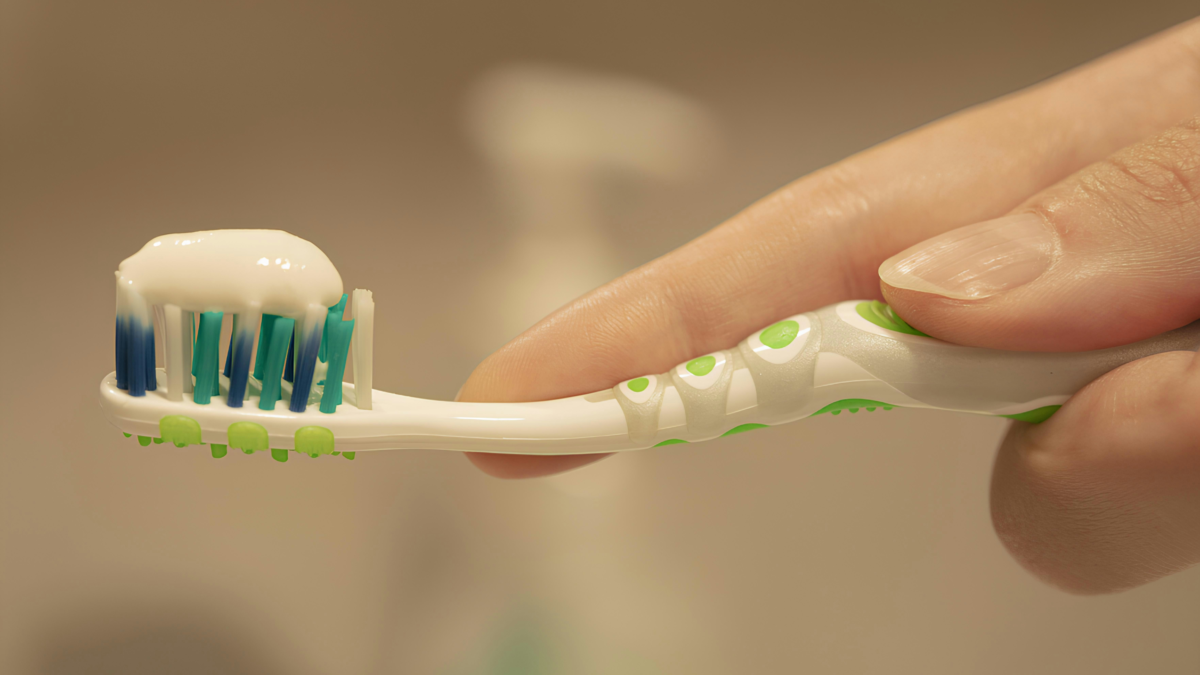
Seren Clinic – Dental Care in Turkey
Maintaining good oral hygiene starts with one simple habit: brushing your teeth correctly. However, how often, when, and how you should brush your teeth can vary depending on your age, lifestyle, and oral health needs. From infants and children to adults and seniors, each stage of life requires a tailored approach to dental care.
At Seren Clinic, we believe that preventive dentistry is the foundation of lifelong oral health. This comprehensive guide explains when, how often, and how to brush your teeth—based on age and daily routine—to help you maintain a healthy smile at every stage of life.
Why Proper Tooth Brushing Matters
Brushing your teeth removes plaque, bacteria, and food particles that cause:
- Tooth decay and cavities
- Gum disease (gingivitis and periodontitis)
- Bad breath
- Tooth discoloration and enamel damage
When brushing is done incorrectly or too infrequently, even healthy teeth can quickly develop problems. Proper brushing technique and consistency are just as important as brushing itself.
General Tooth Brushing Rules for All Ages
Before breaking it down by age, here are universal brushing rules everyone should follow:
- Brush at least twice a day
- Brush for 2 minutes each time
- Use a soft-bristled toothbrush
- Replace your toothbrush every 3 months
- Use fluoride toothpaste unless otherwise advised by a dentist
- Do not brush aggressively—gentle circular motions are best
Tooth Brushing Guide by Age Group
Infants (0–2 Years)
Even before teeth appear, oral care should begin.
How to clean:
- Use a clean, damp gauze or soft cloth
- Gently wipe gums once or twice daily
When first teeth appear:
- Use a soft baby toothbrush
- Apply a rice-sized amount of fluoride toothpaste
- Brush twice a day, especially before bedtime
Parental supervision is essential at this stage.
Toddlers & Preschoolers (2–5 Years)
As more teeth erupt, brushing becomes more important.
How often:
- Twice daily (morning and night)
How to brush:
- Use a pea-sized amount of fluoride toothpaste
- Gentle circular motions
- Parents should brush or supervise brushing
Children at this age often swallow toothpaste, so supervision is critical.
Children (6–12 Years)
This is a high-risk period for cavities due to sugary diets and inconsistent brushing habits.
Brushing routine:
- Twice a day, 2 minutes each time
- Encourage rinsing after meals when brushing isn’t possible
- Introduce flossing once daily
Parents should continue to monitor brushing until proper technique is mastered.
Teenagers (13–18 Years)
Hormonal changes can increase the risk of gum inflammation.
Recommended routine:
- Brush twice daily
- Floss once daily
- Use mouthwash if recommended
Teens with braces or aligners may need:
- Interdental brushes
- Special orthodontic floss
Adults (18–60 Years)
Adults should follow a consistent and disciplined oral care routine.
Daily brushing schedule:
- Morning: After breakfast
- Night: Before bedtime (most important)
Best practices:
- Avoid brushing immediately after acidic foods
- Wait 30 minutes if consuming citrus or soda
- Use fluoride toothpaste or dentist-recommended products
Seniors (60+ Years)
Aging can increase the risk of dry mouth, gum recession, and tooth sensitivity.
Special considerations:
- Brush gently to avoid damaging receding gums
- Use toothpaste for sensitive teeth if needed
- Clean dentures daily if applicable
Regular dental check-ups become even more important at this stage.
When Is the Best Time to Brush Your Teeth?
Morning Brushing
- Removes bacteria that build up overnight
- Protects teeth throughout the day
Night Brushing (Most Important)
- Removes food and plaque from the day
- Prevents bacteria from damaging teeth during sleep
Skipping night brushing significantly increases cavity risk.
How to Brush Your Teeth Properly (Step-by-Step)
- Hold the toothbrush at a 45-degree angle to the gums
- Use gentle circular motions
- Brush all surfaces: front, back, and chewing surfaces
- Brush your tongue to remove bacteria
- Rinse thoroughly
Avoid brushing too hard—this can damage enamel and gums.
Common Tooth Brushing Mistakes
- Brushing too hard
- Using hard-bristled toothbrushes
- Skipping night brushing
- Not replacing toothbrushes regularly
- Brushing for less than 2 minutes
Correcting these mistakes can dramatically improve oral health.
Electric vs. Manual Toothbrushes
Both can be effective if used properly.
Electric toothbrush advantages:
- More consistent brushing
- Ideal for children and people with limited mobility
Your dentist can help you choose the best option for your needs.
How Seren Clinic Supports Preventive Dental Care
At Seren Clinic, we emphasize education, prevention, and personalized care. Our dental professionals provide:
- Individual oral hygiene training
- Preventive check-ups
- Professional cleaning and gum care
- Customized advice for all age groups
Whether you are a parent, teenager, or senior, we tailor dental care to your lifestyle and oral health goals.
Final Thoughts
Brushing your teeth correctly and consistently is the foundation of a healthy smile. By adjusting your brushing routine based on age and daily habits, you can prevent most dental problems before they begin.
If you are unsure whether your brushing technique or routine is effective, a professional dental consultation can make a significant difference.
Seren Clinic is here to help you maintain optimal oral health at every stage of life.