
 English
  Turkce
  Deutsch
  Francais
  Russkij
  العربية
  Espanol
  Italiano
  Nederlands
  Balgarski
  Romana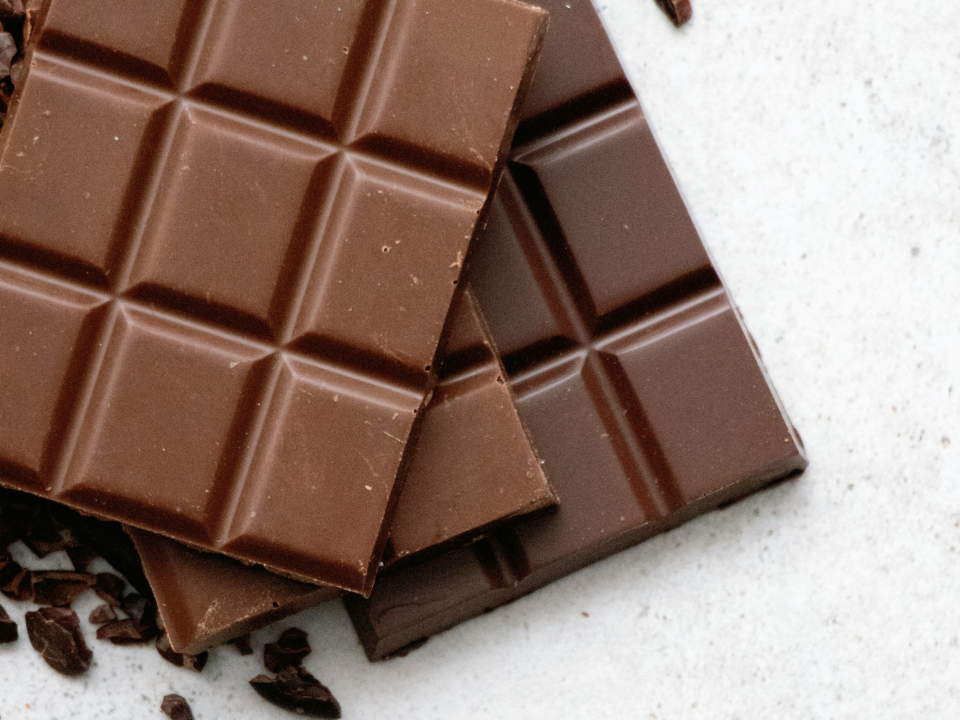
Maintaining a healthy smile goes beyond brushing and flossing. While many foods support oral health, others can seriously harm teeth and gums when consumed frequently. Understanding which foods are harmful to dental health is essential for preventing cavities, gum disease, and long-term dental problems. At Seren Clinic, preventive dentistry starts with education—helping patients make informed lifestyle and nutrition choices that protect their oral health.
How Certain Foods Damage Teeth and Gums
Foods that harm dental health typically share one or more of the following characteristics:
- High sugar content
- High acidity
- Sticky or hard texture
- Frequent consumption patterns
These factors contribute to enamel erosion, bacterial growth, and gum inflammation. Over time, they can lead to tooth decay, sensitivity, and periodontal disease.
Sugary Foods and Their Impact on Tooth Decay
Sugar is one of the most damaging substances for teeth. Oral bacteria feed on sugar and produce acids that attack tooth enamel.
Candies and Sweets
Sticky candies, caramels, gummies, and chocolates adhere to tooth surfaces and remain in the mouth longer, increasing cavity risk.
Sugary Desserts
Cakes, cookies, and pastries contain refined sugars and starches that break down into acids in the mouth.
Frequent sugar intake significantly increases the risk of tooth decay, especially without proper oral hygiene.
Sugary Drinks and Hidden Dental Risks
Liquid sugars are particularly harmful because they coat teeth evenly and are consumed frequently.
Soft Drinks and Soda
Sodas contain both sugar and acid, making them a double threat to enamel health.
Fruit Juices
Even natural fruit juices contain high levels of sugar and acid that can erode enamel when consumed excessively.
Reducing sugary drink consumption is one of the most effective steps toward better dental health.
Acidic Foods That Erode Tooth Enamel
Acidic foods weaken tooth enamel, making teeth more sensitive and vulnerable to decay.
Citrus Fruits
Lemons, oranges, and grapefruits are healthy in moderation but can damage enamel if consumed excessively or without rinsing afterward.
Vinegar-Based Foods
Pickles and salad dressings can soften enamel when consumed frequently.
To minimize damage, it is recommended to wait before brushing after consuming acidic foods.
Sticky Foods That Trap Bacteria
Sticky foods cling to teeth and are difficult to remove with saliva alone.
Examples include:
- Dried fruits
- Chewy candies
- Granola bars
These foods create a favorable environment for bacteria, increasing the risk of cavities and gum disease.
Hard Foods That Can Cause Tooth Damage
Some foods pose a mechanical risk to teeth.
Ice
Chewing ice can cause micro-cracks or fractures in teeth.
Hard Candy and Nuts
Biting hard foods can damage enamel or dental restorations.
Patients with crowns, veneers, or implants should be especially cautious.
Refined Carbohydrates and Starchy Foods
White bread, chips, and crackers break down into sugars in the mouth and often become lodged between teeth.
These foods:
- Feed harmful bacteria
- Increase plaque formation
- Raise cavity risk when consumed frequently
Choosing whole-grain alternatives is a healthier option for dental health.
Alcohol and Its Effect on Oral Health
Alcohol reduces saliva production, leading to dry mouth. Saliva is essential for neutralizing acids and washing away bacteria.
Frequent alcohol consumption may increase:
- Tooth decay risk
- Gum inflammation
- Bad breath
Maintaining hydration helps reduce these effects.
Energy Drinks and Sports Beverages
Often marketed as healthy, energy drinks and sports beverages are highly acidic and sugary.
They can cause:
- Enamel erosion
- Tooth sensitivity
- Increased cavity risk
Water remains the best option for hydration.
Foods That Stain Teeth
Certain foods and beverages do not harm teeth structurally but affect their appearance.
Examples include:
- Coffee
- Tea
- Red wine
- Dark sauces
Regular dental cleaning helps minimize staining effects.
Harmful Eating Habits That Affect Dental Health
It’s not only what you eat, but how you eat that matters.
Frequent Snacking
Constant snacking exposes teeth to acids throughout the day.
Eating Before Bed
Eating sugary or acidic foods before sleep increases cavity risk due to reduced saliva flow.
Establishing healthy eating routines supports better oral health.
Special Considerations for Children’s Dental Health
Children’s teeth are more vulnerable to dietary damage.
Foods to limit include:
- Sugary snacks
- Sticky sweets
- Sweetened drinks
Encouraging water, fruits, vegetables, and dairy products helps protect developing teeth.
How to Reduce the Damage of Harmful Foods
Complete avoidance is not always realistic, but damage can be minimized.
Helpful tips:
- Drink water after meals
- Use a straw for acidic drinks
- Avoid brushing immediately after acidic foods
- Maintain regular dental check-ups
Preventive care at Turkey dental clinics such as Seren Clinic plays a key role in maintaining dental health.
The Role of Preventive Dentistry at Seren Clinic
At Seren Clinic, patient education is a fundamental part of preventive dentistry. By identifying harmful dietary habits and offering personalized guidance, the clinic helps patients maintain healthier smiles long-term.
Regular dental examinations, professional cleanings, and lifestyle advice work together to prevent serious dental issues before they develop.
Conclusion: Protect Your Smile by Making Smarter Food Choices
Understanding foods that are harmful to dental health empowers individuals to make better nutritional choices. By limiting sugary, acidic, and sticky foods and maintaining proper oral hygiene, it is possible to significantly reduce dental problems.
At Seren Clinic, we believe that strong teeth and healthy gums start with awareness, prevention, and professional care. Small changes in daily habits can lead to lasting improvements in oral health.

Mehmet Kaplan
Dr. Mehmet Kaplan graduated from Istanbul University Faculty of Dentistry. Applying modern dental techniques and up-to-date treatment methods, Dr. Kaplan personalizes his treatments according to the individual needs of h…
View full profile →