
 English
  Turkce
  Deutsch
  Francais
  Russkij
  العربية
  Espanol
  Italiano
  Nederlands
  Balgarski
  Romana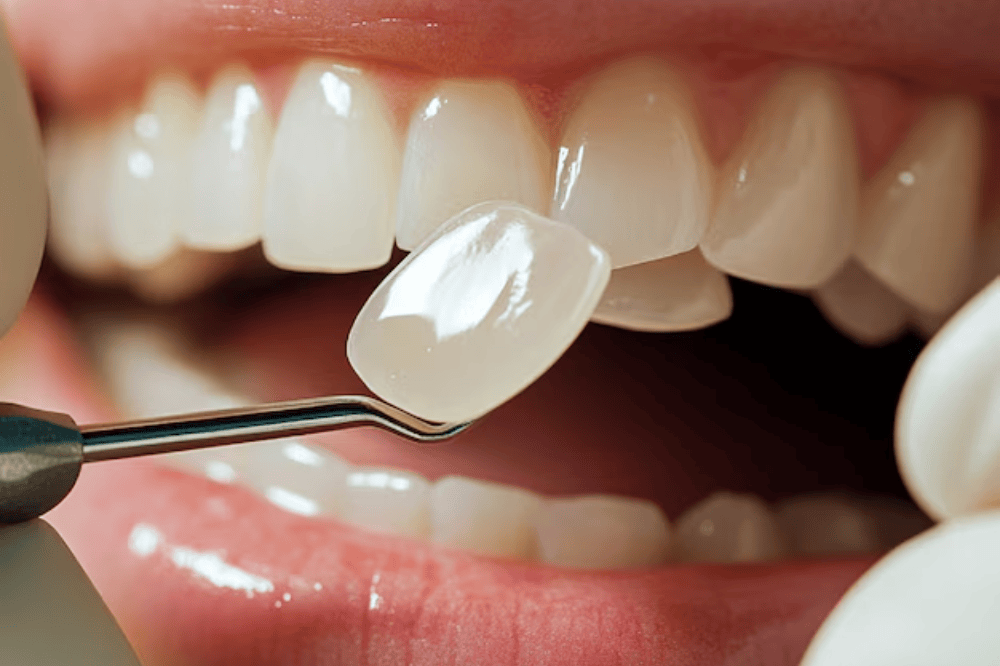
In the quest for a perfect smile, many individuals find themselves weighing the options between dental implants and dental veneers. Both treatments offer unique benefits, but understanding their differences is crucial in finding the right solution for your oral health needs. Dental implants serve as a durable replacement for missing teeth, while veneers provide an aesthetic makeover for existing ones. Throughout this post, we'll explore the advantages of each option, helping you make an informed decision tailored to your dental goals.
Understanding Dental Implants
Dental implants are a revolutionary solution for replacing missing teeth, providing a sturdy foundation for fixed or removable restorations. They consist of three primary components:
- Implant post: This titanium cylinder is surgically placed into the jawbone, acting as the root of the new tooth.
- Abutment: This connector secures the crown to the implant post.
- Crown: A custom-made tooth replacement that mimics the appearance of natural teeth.
Benefits of Dental Implants:
- Durability: With proper care, dental implants can last a lifetime, making them a long-term investment.
- Natural Appearance: They blend seamlessly with your existing teeth, enhancing your smile.
- Bone Preservation: Implants stimulate the jawbone, preventing bone loss that usually occurs after tooth loss.
Comparison with Other Tooth Replacement Options:
| Feature | Dental Implants | Dental Veneers |
|---|---|---|
| Longevity | Lifelong with proper care | 5-10 years depending on material |
| Bone Preservation | Yes | No, does not support jawbone health |
| Aesthetic Appeal | Highly natural appearance | Ideal for improving tooth aesthetics |
| Cost | Higher initial cost, but long-lasting | Typically lower up-front cost |
In summary, dental implants offer a robust and aesthetically pleasing solution for tooth replacement, making them an excellent option for those seeking durability and functionality.
Exploring Dental Veneers
Dental veneers are thin shells made of porcelain or composite resin that cover the front surface of teeth. They serve both aesthetic and functional purposes, offering a solution for various dental imperfections. Here’s a closer look at what dental veneers can achieve:
- Cosmetic Enhancement: Dental veneers improve the appearance of discolored, chipped, or misaligned teeth, providing a natural look that blends seamlessly with your smile.
- Minimal Tooth Reduction: Unlike crowns, veneers often require minimal tooth preparation, preserving more of your natural tooth structure.
- Stain Resistance: Porcelain veneers resist stains better than natural teeth, keeping your smile bright and vibrant.
Advantages of Dental Veneers
| Advantages | Veneers | Dental Implants |
|---|---|---|
| Aesthetic Appeal | High (natural appearance) | High (mimics natural teeth) |
| Tooth Preservation | Minimal reduction required | Requires extraction & surgery |
| Longevity | 10-15 years with proper care | 10-15 years or longer |
| Specific Use Cases | Cosmetic corrections | Missing teeth replacement |
While dental implants provide a comprehensive solution for tooth loss, dental veneers focus on cosmetic restoration. If you’re aiming to enhance the appearance of healthy teeth, dental veneers may be the right choice for you.
Comparative Benefits of Implants and Veneers
When considering dental solutions, understanding the comparative benefits of Dental Implants and dental veneers is essential. Each option offers unique advantages depending on your specific dental needs.
Benefits of Dental Implants:
- Permanent Solution: Dental Implants can last a lifetime with proper care, making them a long-term investment.
- Bone Health: They stimulate the jawbone, preventing bone loss that often occurs with missing teeth.
- Functionality: Implants restore full chewing function, allowing you to eat a variety of foods without discomfort.
- Natural Appearance: They closely resemble natural teeth, enhancing your smile's aesthetics.
Benefits of Dental Veneers:
- Minimal Invasiveness: Veneers require less alteration of your natural teeth, preserving tooth structure.
- Quick Fix: Often completed in just a couple of visits, veneers can effectively cover imperfections such as chips or discoloration.
- Aesthetic Variety: They come in various shades and styles, allowing for personalized improvements tailored to your preference.
- Stain Resistance: Made from durable materials, veneers resist staining better than natural teeth.
Comparison Summary:
| Feature | Dental Implants | Dental Veneers |
|---|---|---|
| Longevity | Lifetime with care | 10-15 years |
| Bone Preservation | Yes | No |
| Invasiveness | More invasive (requires surgery) | Less invasive |
| Aesthetic Appeal | Excellent | Excellent |
| Functionality | Fully restores chewing | Mainly cosmetic |
In conclusion, both Dental Implants and veneers serve distinct purposes in dental aesthetics and functionality. Assessing personal dental needs will guide your decision on which option is right for you.
Factors to Consider When Choosing
When deciding between Dental Implants and veneers, it's essential to evaluate several key factors to determine which option suits your needs best. Here are some critical areas to consider:
1. Oral Health Status
- If you suffer from gum disease or tooth decay, Dental Implants may require additional treatments to ensure a stable foundation.
- Veneers, however, do not address underlying health issues and might not be suitable if your teeth are in poor condition.
2. Longevity and Durability
- Dental Implants offer a more permanent solution, lasting 10-15 years or more with proper care.
- Veneers typically last 5-10 years before they may need replacement due to wear and potential staining.
3. Aesthetic Goals
- Consider your desired results. Dental Implants provide a natural tooth-like structure, while veneers primarily enhance the surface appearance of existing teeth.
- If alignment is also an issue, Dental Implants can address missing teeth, while veneers only alter the visible aspect.
4. Cost Considerations
- Generally, Dental Implants carry a higher initial cost due to the surgical procedure involved.
- Veneers may be more affordable upfront, but consider potential replacement costs over time.
Ultimately, assessing your specific dental needs, lifestyle, and aesthetic expectations will lead you to the right choice for your smile transformation.
Consulting with a Dental Professional
When considering Dental Implants or dental veneers, consulting with a dental professional is essential. Experts can provide tailored advice based on individual needs and goals. Here are some factors to keep in mind when scheduling your consultation:
- Comprehensive Evaluation: A dentist will conduct a thorough examination of your oral health, including possible X-rays, to assess bone density for implants and overall dental condition for veneers.
- Personalized Recommendations: Based on your dental health, budget, and aesthetic desires, a professional can recommend the most suitable option. They can highlight the advantages of Dental Implants, such as durability and support for jawbone health, versus the cosmetic benefits of veneers.
- Cost Analysis: Understand the financial implications. Dental Implants usually involve a higher initial cost compared to veneers but offer longevity and functionality, which may save money in the long term.
- Aftercare Guidance: Discuss maintenance requirements. While Dental Implants require similar care to natural teeth, veneers may demand specific cleaning practices to ensure longevity.
- Long-Term Expectations: Your dentist will explain the anticipated results and duration of each treatment, allowing you to align your choice with your lifestyle and health objectives.
By having a comprehensive discussion with your dental professional, you can confidently select the option that best fits your needs, whether that’s Dental Implants or veneers.

Mahir Yılmaz
Dr. Mahir Yılmaz graduated from Istanbul University Faculty of Dentistry. He has extensive academic knowledge and clinical experience in general and restorative dentistry. With many years of professional experience, Dr. …
View full profile →